Hello Stavanger 2026
In October 2026 I had the pleasure of speaking at Hello Stavanger, in Stavanger, Norway.
It was an absolutely wonderful conference, and one I enjoyed immensely, both as an attendee and as a speaker. Hello Stavanger is only in its third year, but you would never have guessed it. Everything ran as smoothly as an event that has been going for far, far longer than that.
The Venue
Stavanger is Norway's oil capital, so I was half expecting a conference in a glass-and-steel office block. Instead, Hello Stavanger is held at Tou Scene, a former brewery that has been converted into an arts and culture centre.
It is an unusual space, with rooms spread out all over a sprawling red-brick building. It also suits the conference really well. There was a creative, slightly arty energy about the whole place that fit the event perfectly.
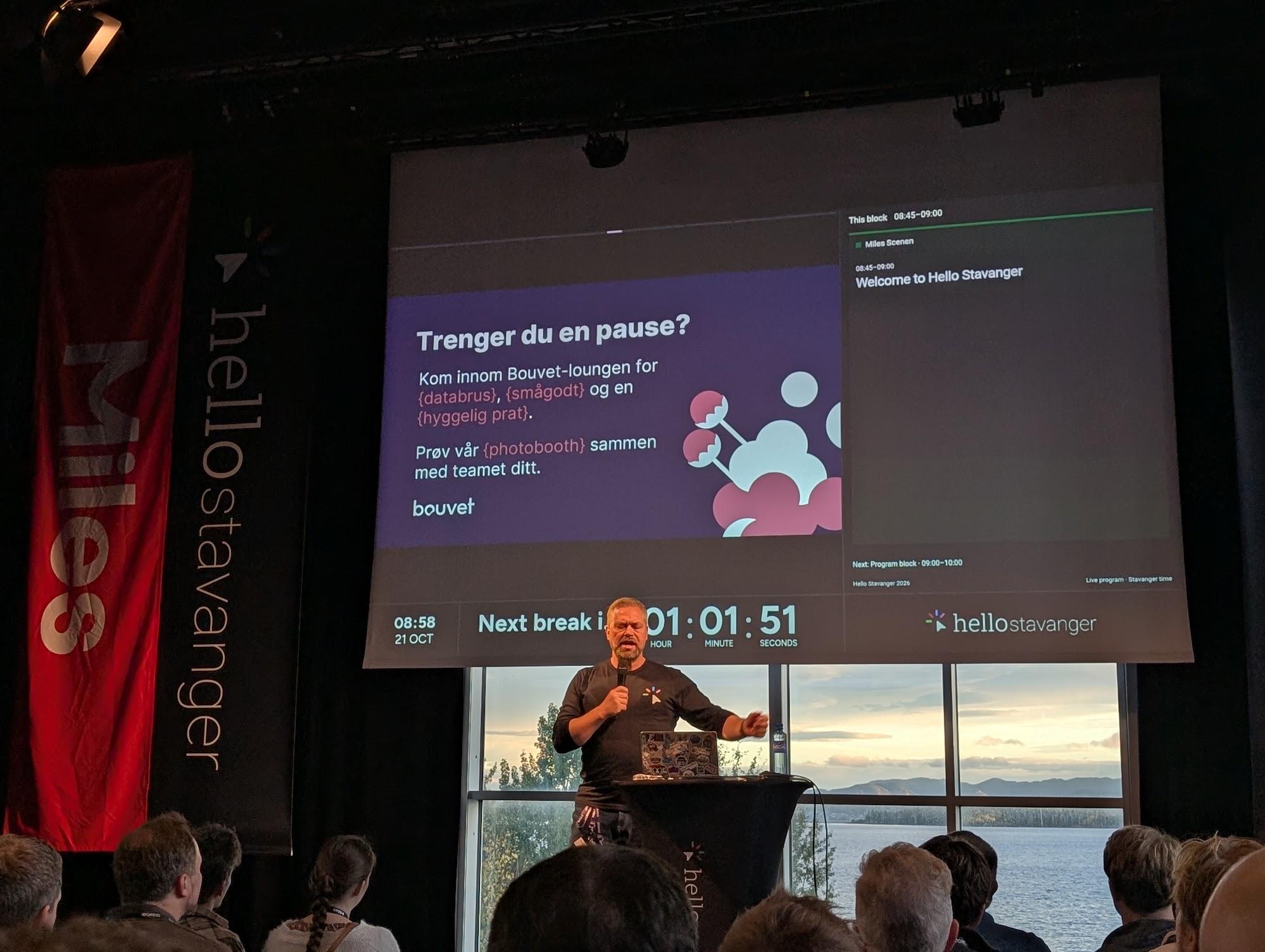
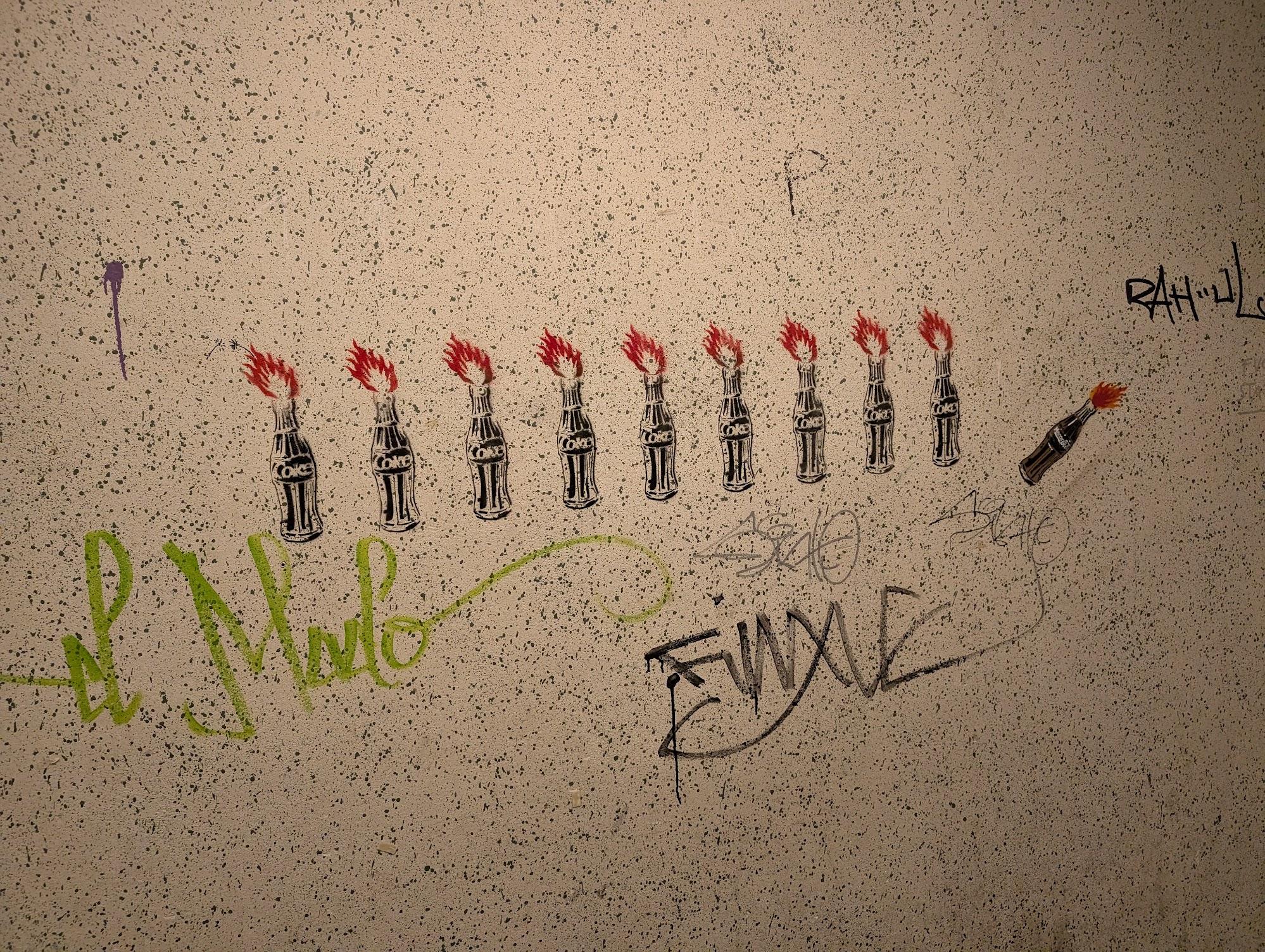
A venue like that could easily have been a maze to navigate, but the team were brilliant at steering everyone to where they needed to be. Whenever you looked even slightly lost, someone appeared to point you in the right direction.
The Talk
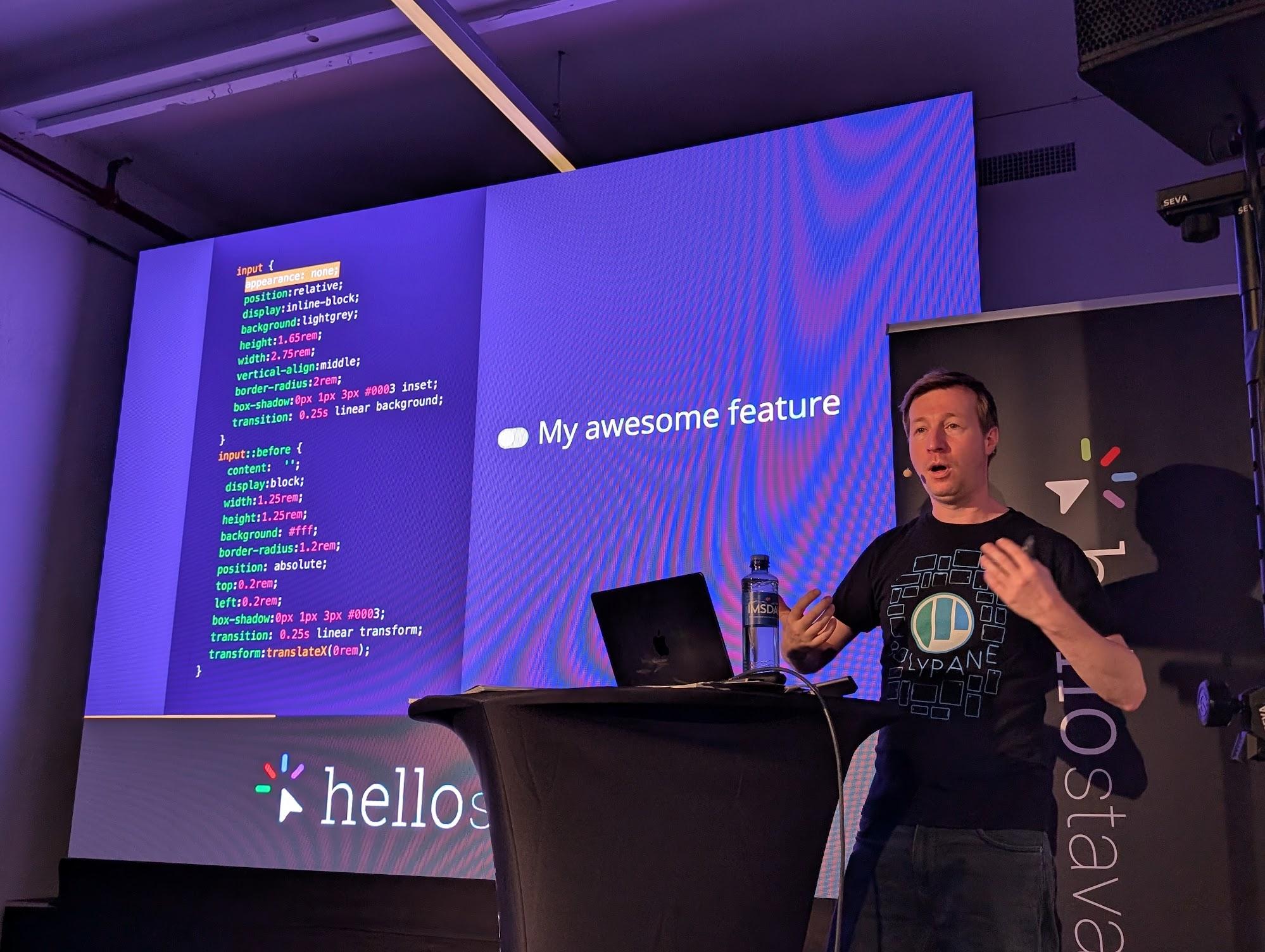
I spoke about modern browser capabilities, with my talk Delete Your Dependencies: What the Browser Can Do Now.
The idea behind the talk is that a lot of things we used to need plugins, libraries, extensions or even native apps for can now be done natively in the browser. I went through a selection of newer browser APIs and CSS features, from face detection and QR code scanning to some of the fun corners of the platform, like Web Bluetooth.

One of the examples was a coffee shop "smile and get 10% off" promotion, built entirely in the browser. First, detect a face. Then check whether that face is actually smiling. Only then unlock the discount.
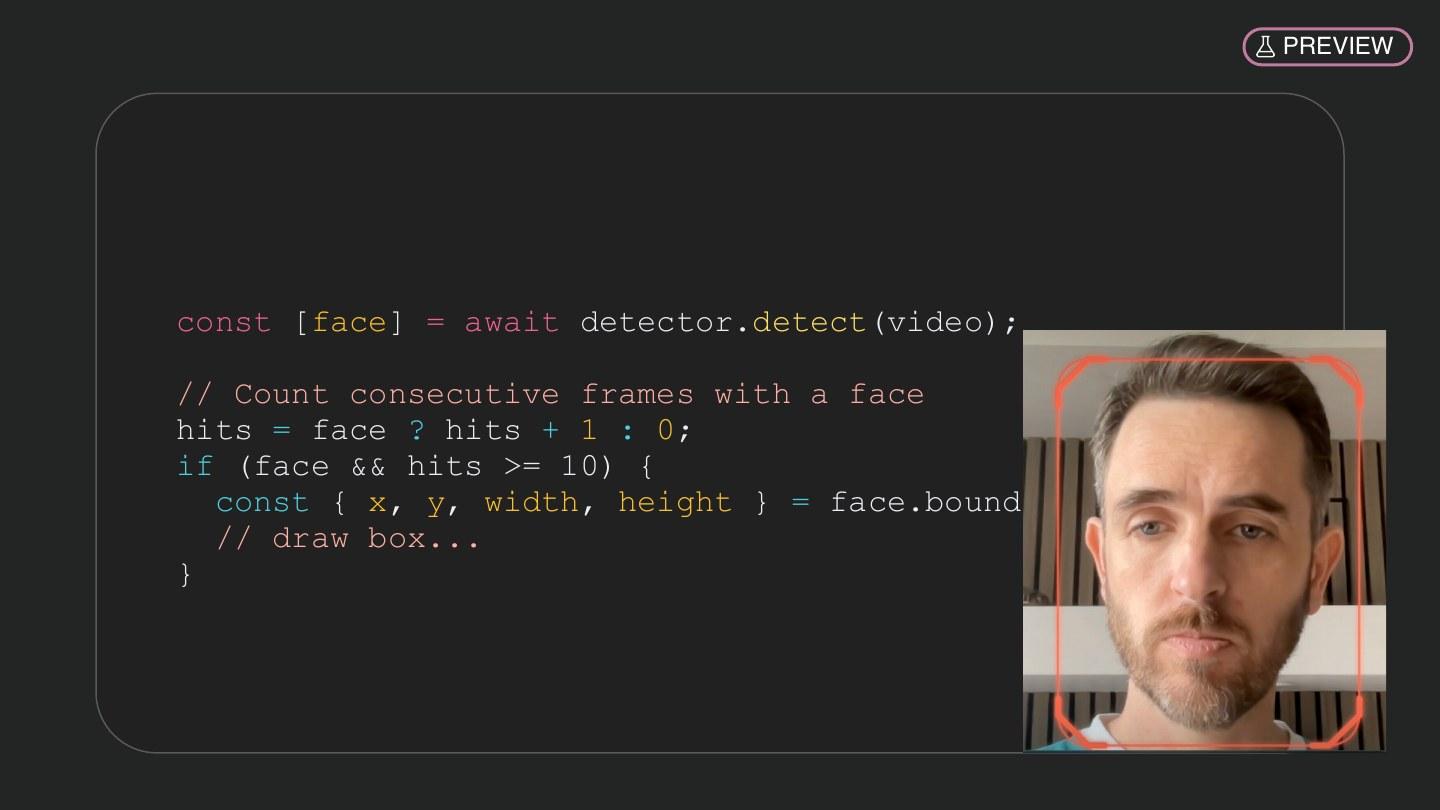
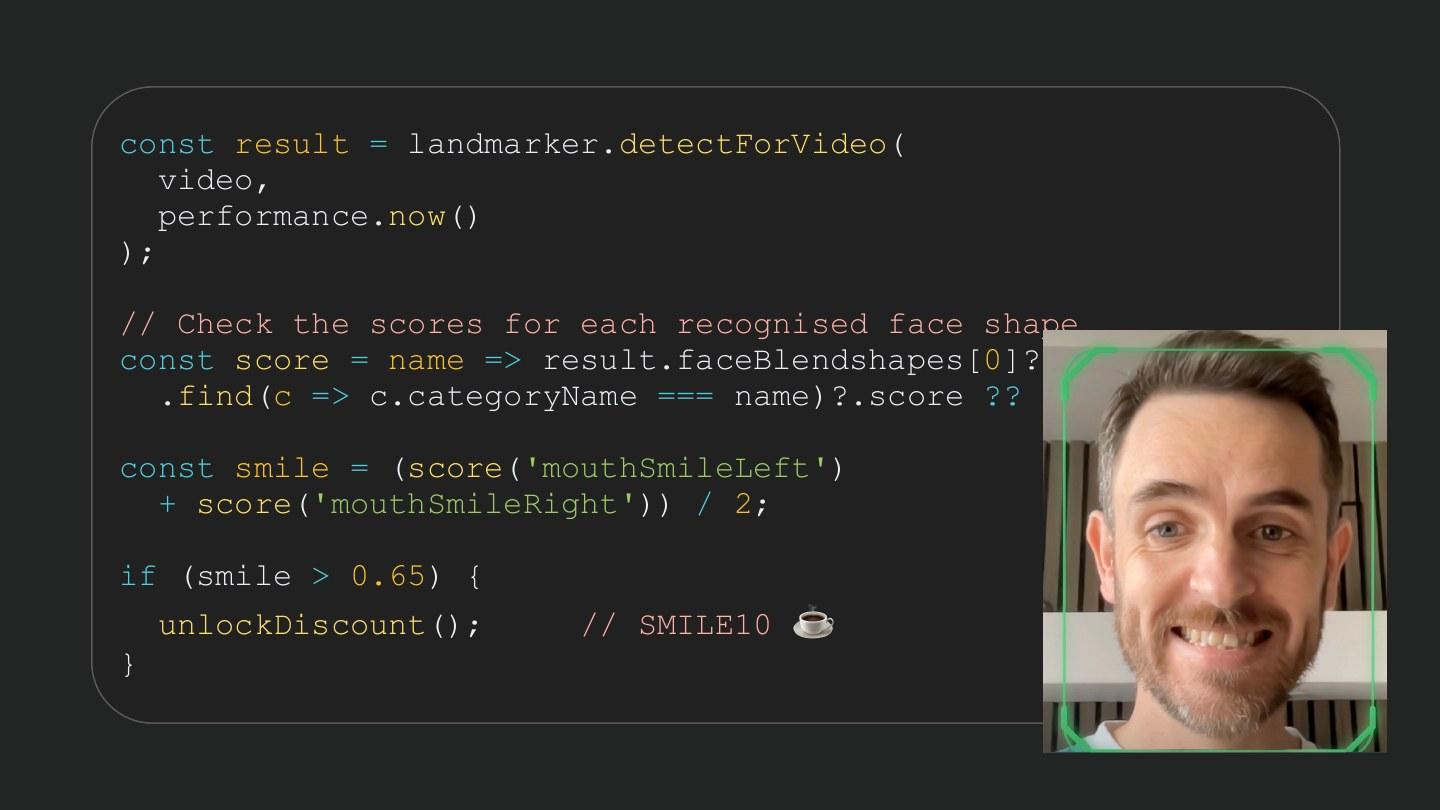
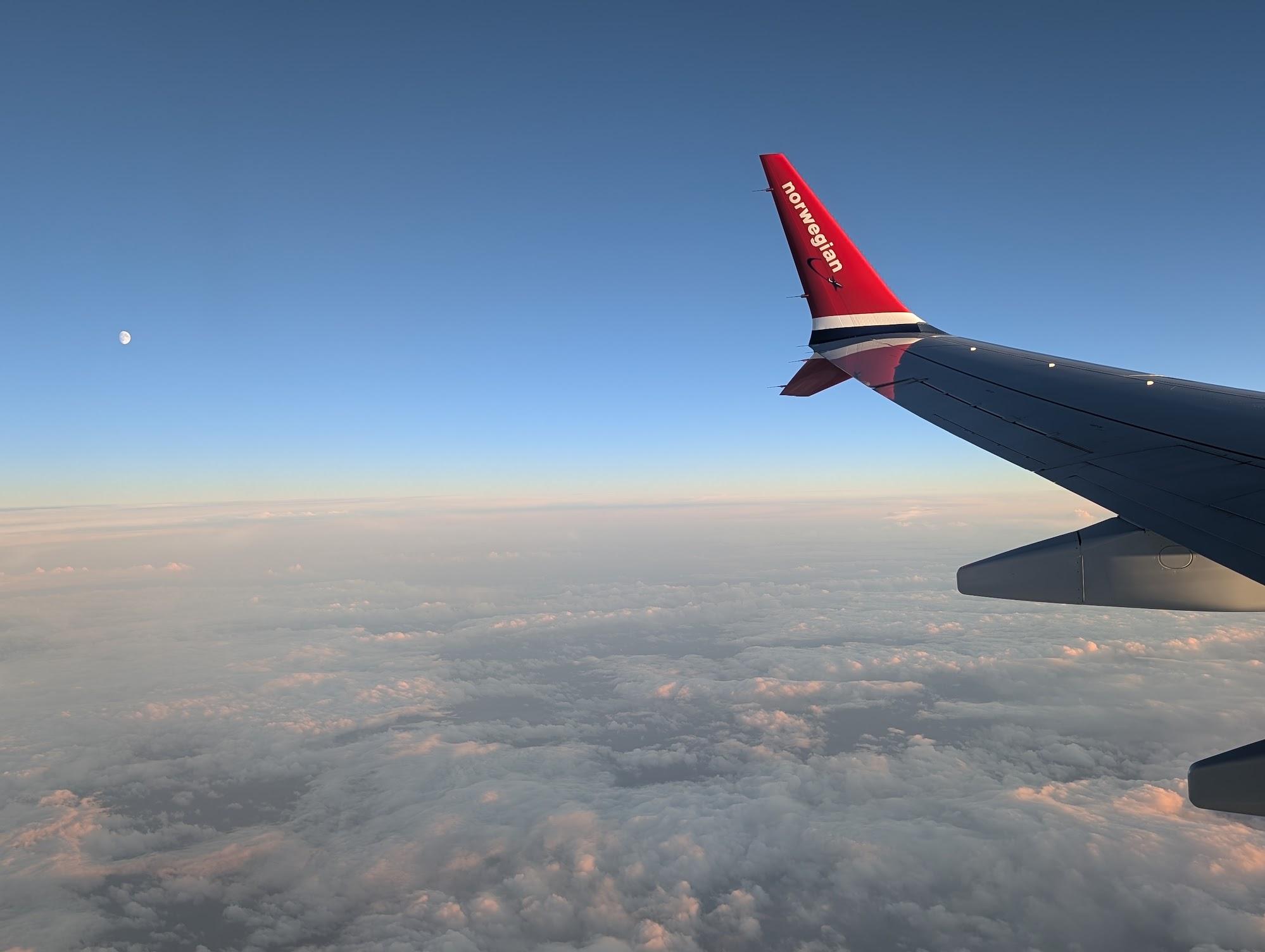
The Web Bluetooth section had a live demo: my browser connecting to a Bluetooth light bulb and flashing messages in Morse code. Live hardware demos are always a bit of a gamble, and this one had the extra challenge of having to survive the trip over. Huge thanks to the ground handling crews in Oslo and Stavanger airports for getting my light bulb there in one piece!
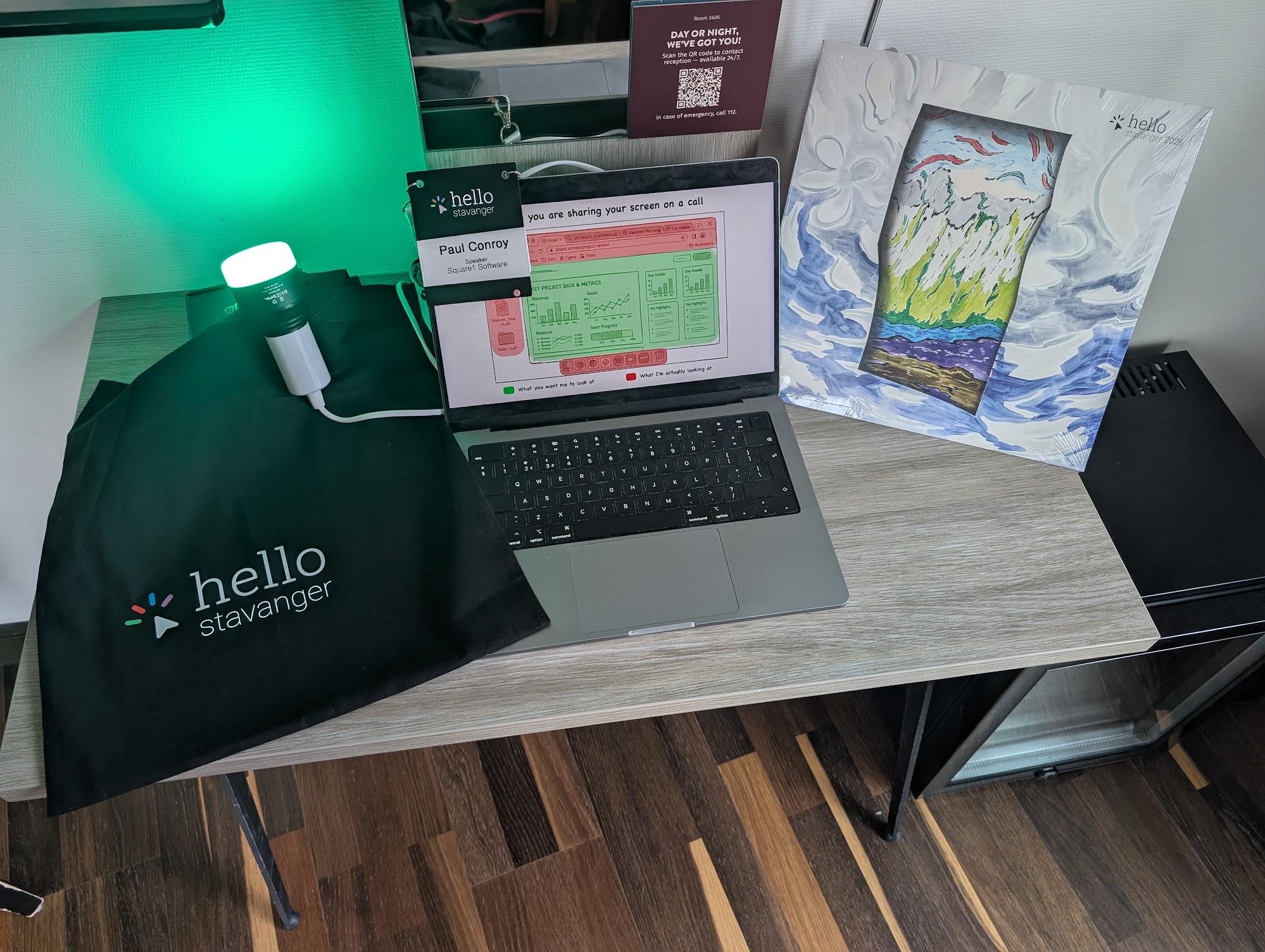
The demo went well, and I had some great conversations about it afterwards.
I also benefitted from some great scheduling. The talk immediately before mine in the same room was Kilian Valkhof's Stop using JavaScript for that, which covered a lot of what can now be done in CSS and HTML without reaching for JavaScript. There was a lot of overlap between our topics. By the time I took the stage, Kilian had already made a strong case for much of the argument I was going to make, and I got to build on it rather than start from scratch.
That kind of pairing wasn't a one-off. Throughout both days, the organisers had grouped talks so that one session often felt like a continuation of the last, rather than giving you whiplash between topics. It's a small thing on paper, but it made a real difference to how the whole event flowed.
Standout Talks
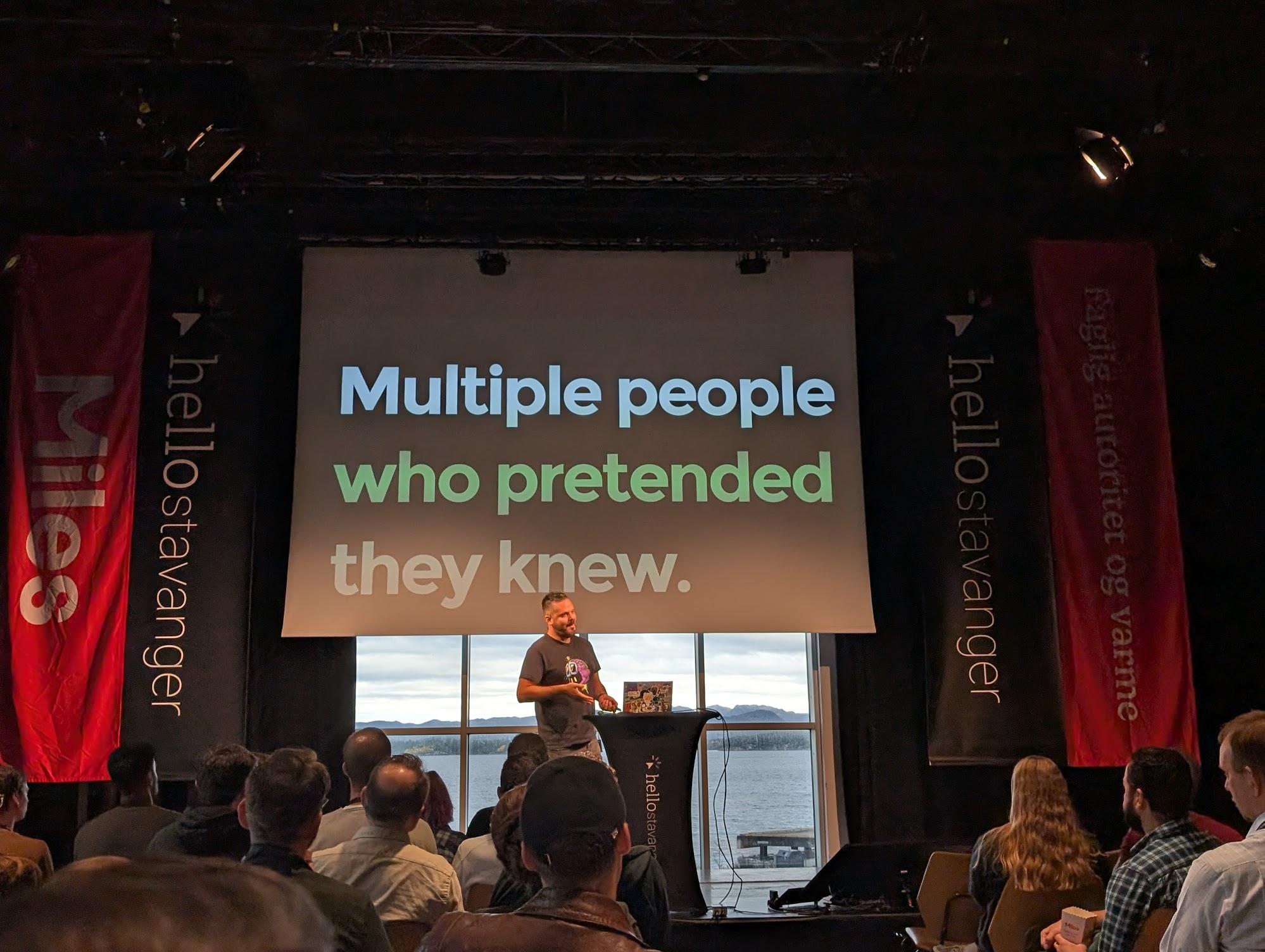
The overall standard of the talks was phenomenal, and the visual standard in particular was the highest I have seen at any conference in a very long time. Talk after talk had really strong visuals and really strong delivery.
The organisers mentioned that they had received over 1,000 proposals, which they whittled down to around 80 talks across the two days. You could really see it. It was all killer, no filler, to use the cliché.
A few that stood out for me:
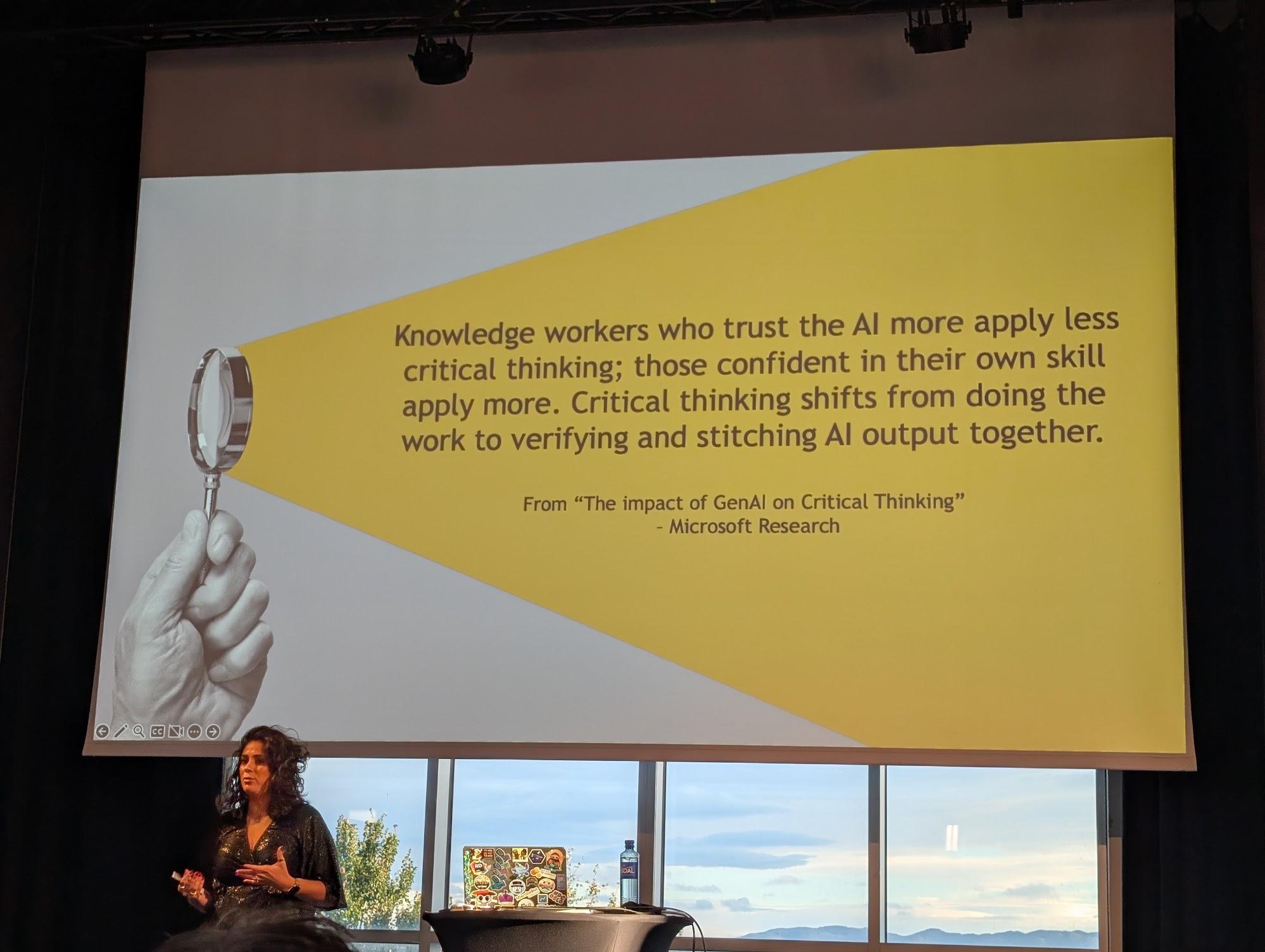
Laila Bougria opened the conference with her keynote, Message not received, which was all about sharing and capturing knowledge. What knowledge in an organisation is tacit, and what gets made explicit? Is AI "work slop" changing how we perceive the person who sends it to us? The point that stuck with me most was that as technical people, we can be quick to say something is impossible, when sometimes it just means a request has found a hole in our technical implementation.
Brecht De Ruyte's CSS State Machine was one of those talks where I was taking photos of every slide to bring back to my team. It was packed with concrete, genuinely useful "oh, I didn't know CSS could do that" moments, and really well presented. I really enjoyed it.
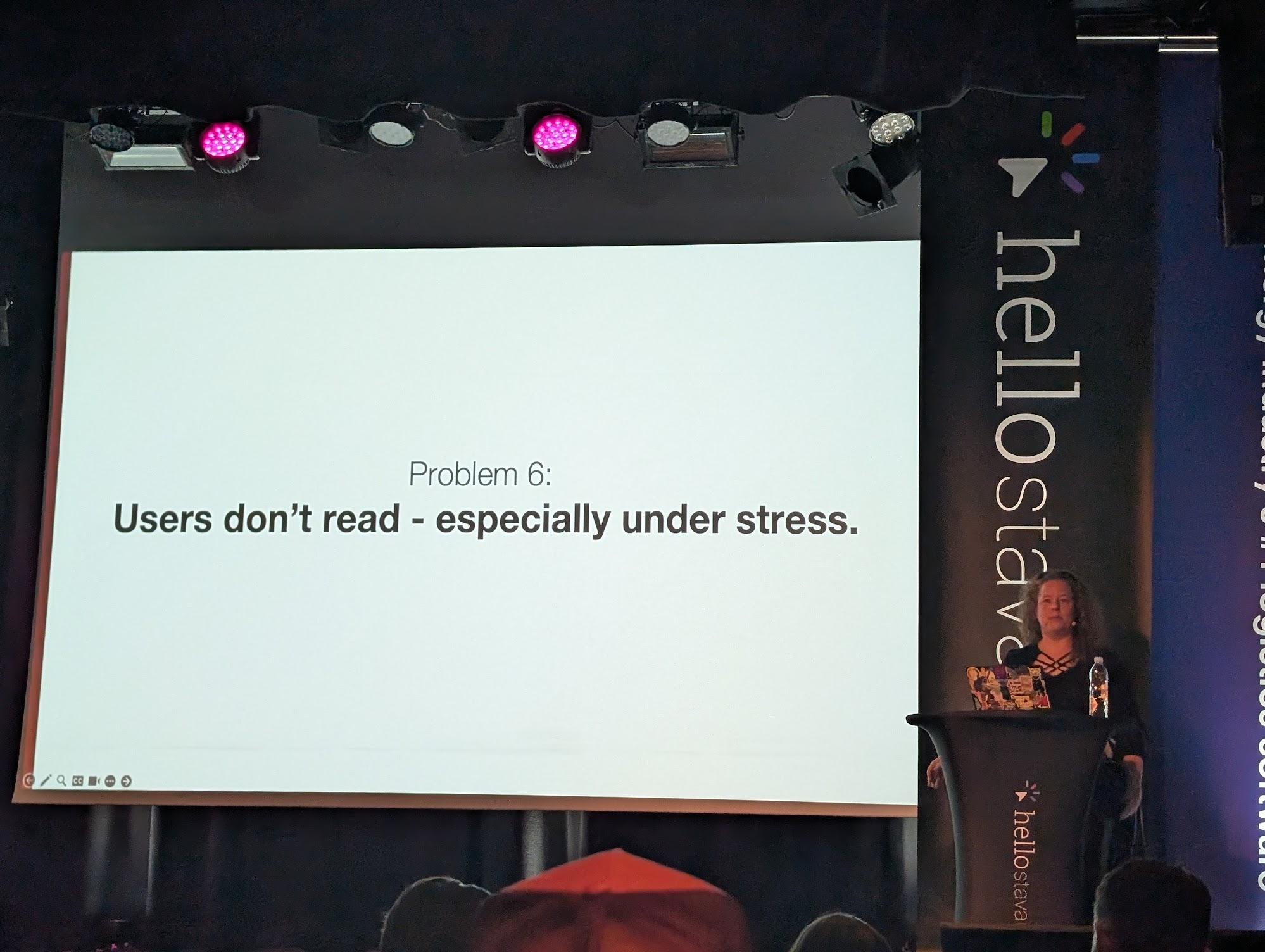
Dora Makszy's Safe by design: the UX of secure banking looked at UI and UX design in payments, which is always going to be up my street. One point I particularly liked was that biometrics are probabilistic, not binary, which brings a whole new set of challenges for authentication and integrity.
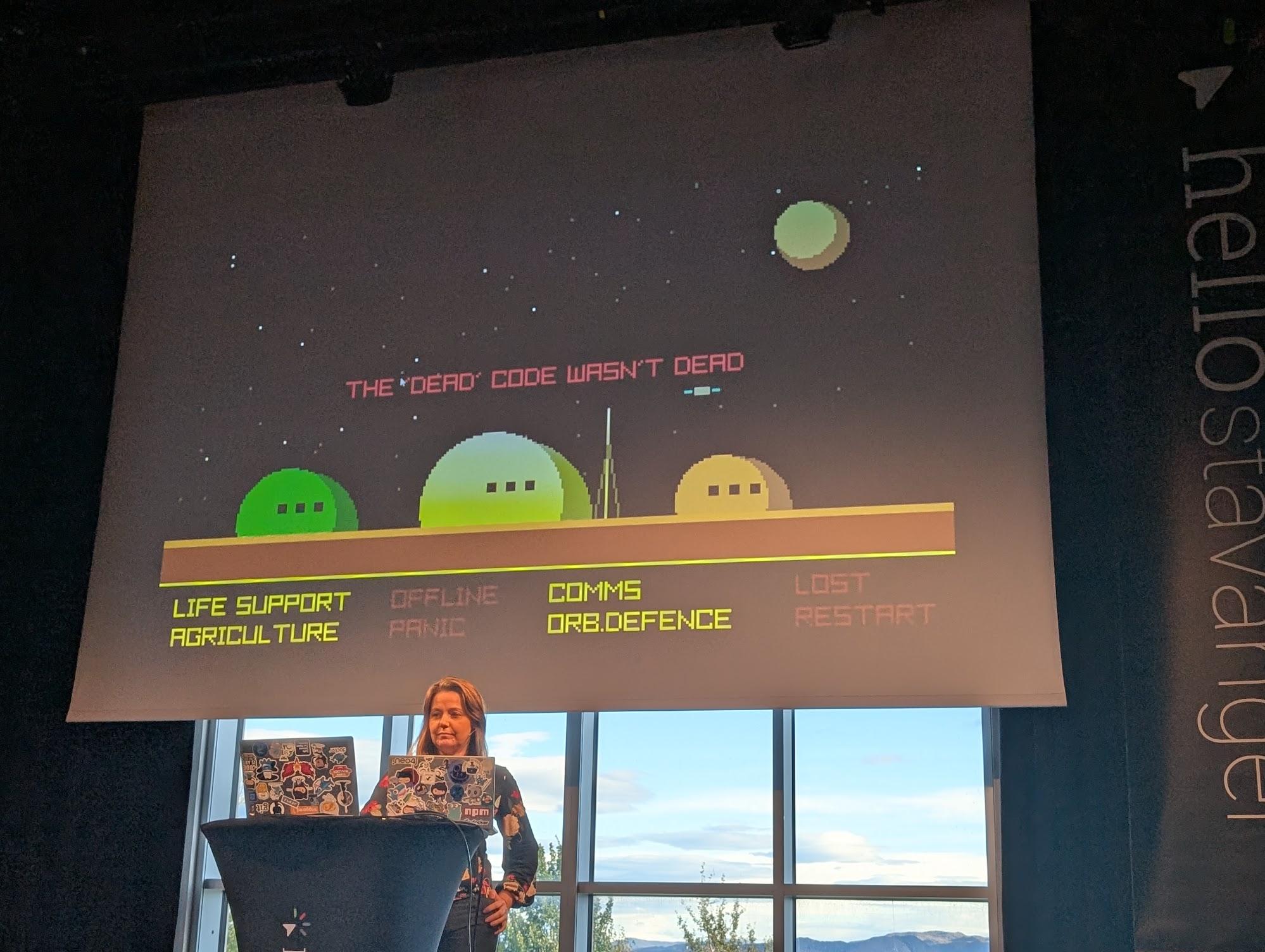
Hege Jacobsen's Legacy: It Just Works (Please Don't Touch) was phenomenal. Legacy code, in Hege's framing, is really just code that solves a problem that was unknown to you. Software changes over time. You can freeze a system, but you can't freeze the world around it. The whole presentation was styled as an 80s arcade game, and the visuals were absolutely fantastic.
Samuel Mork Bednarz asked HTML in Canvas: Is the Flash Era of Experimental Effects on the Web Coming Back?, looking at the risks and opportunities that HTML in Canvas opens up for us.
Eugene Romero's The Art of Saying "I Don't Know" was about getting comfortable admitting what we don't know. Doing so gives your answers more credibility when you do know, and helps avoid scenarios like, say, crashing a spacecraft into Mars.
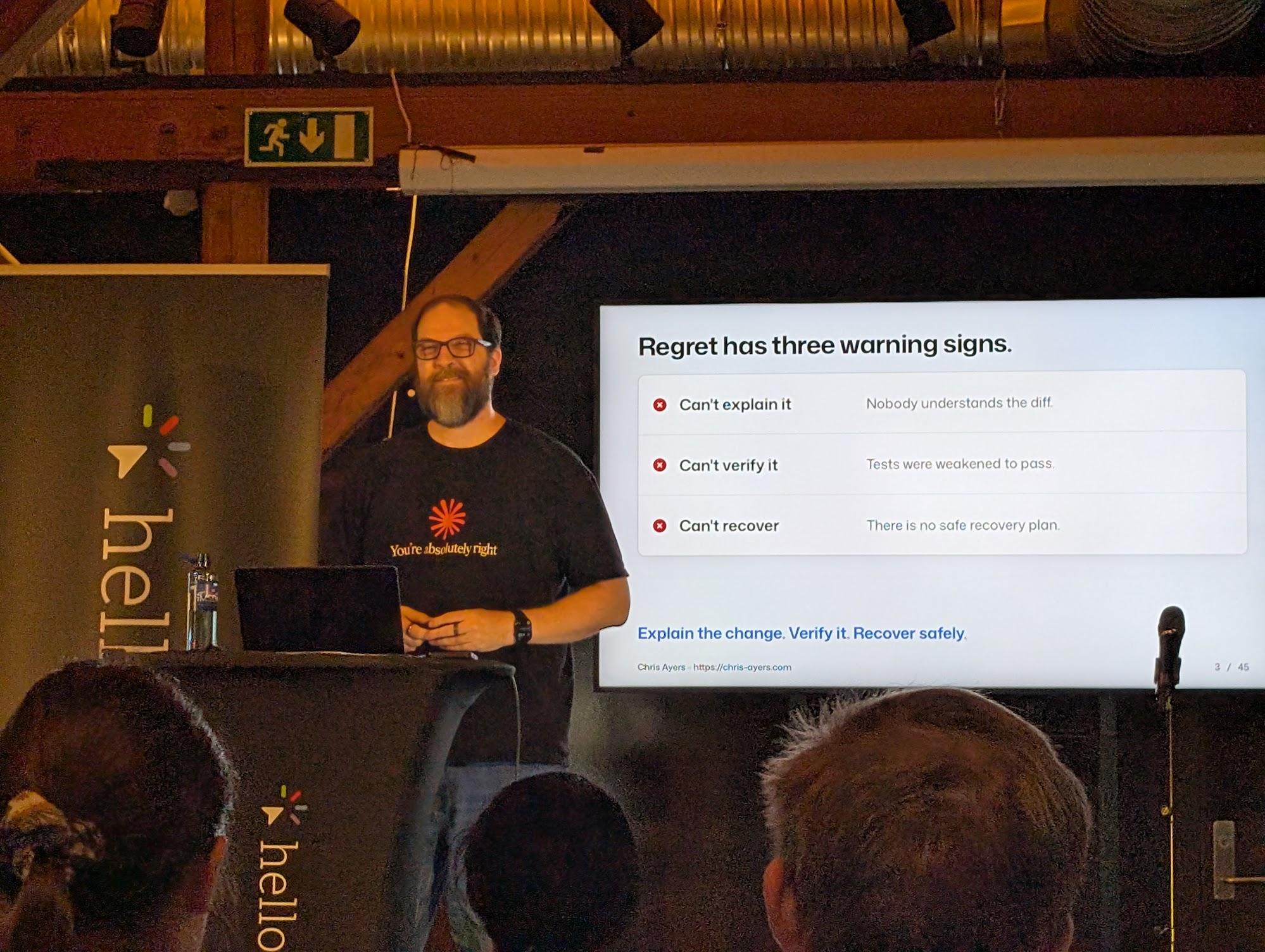
Chris Ayers' Shipping with AI Without Shipping Regret stressed the importance of understanding the scope before bringing AI into the picture. The questions we don't ask can bias the model just as much as the ones we do, so it pays to ask a lot of questions up front.
Above and Beyond
Running physical conferences is getting harder. Costs are up, budgets are down, and it's not unusual to see a corner cut here or there to make the numbers work.
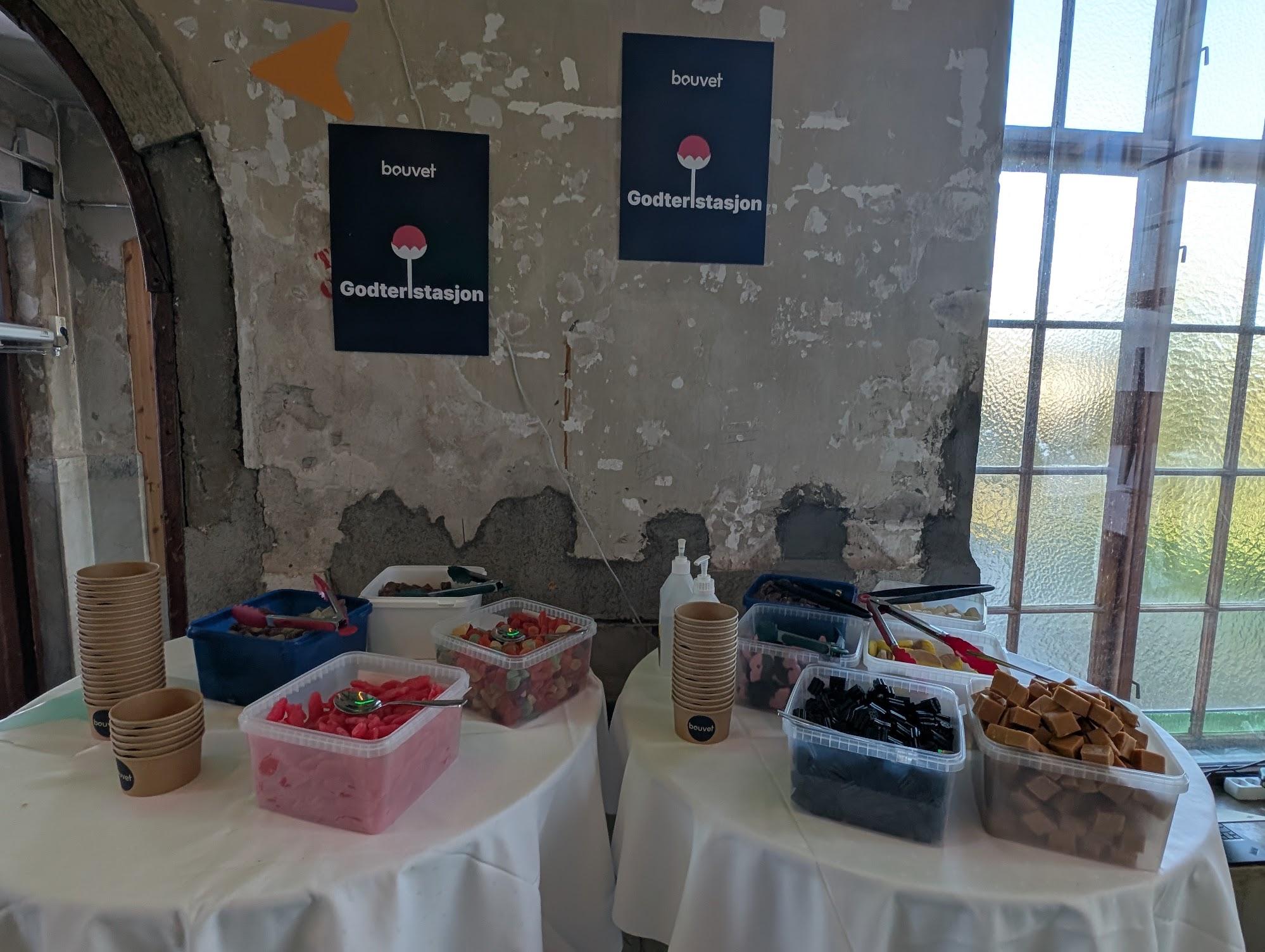
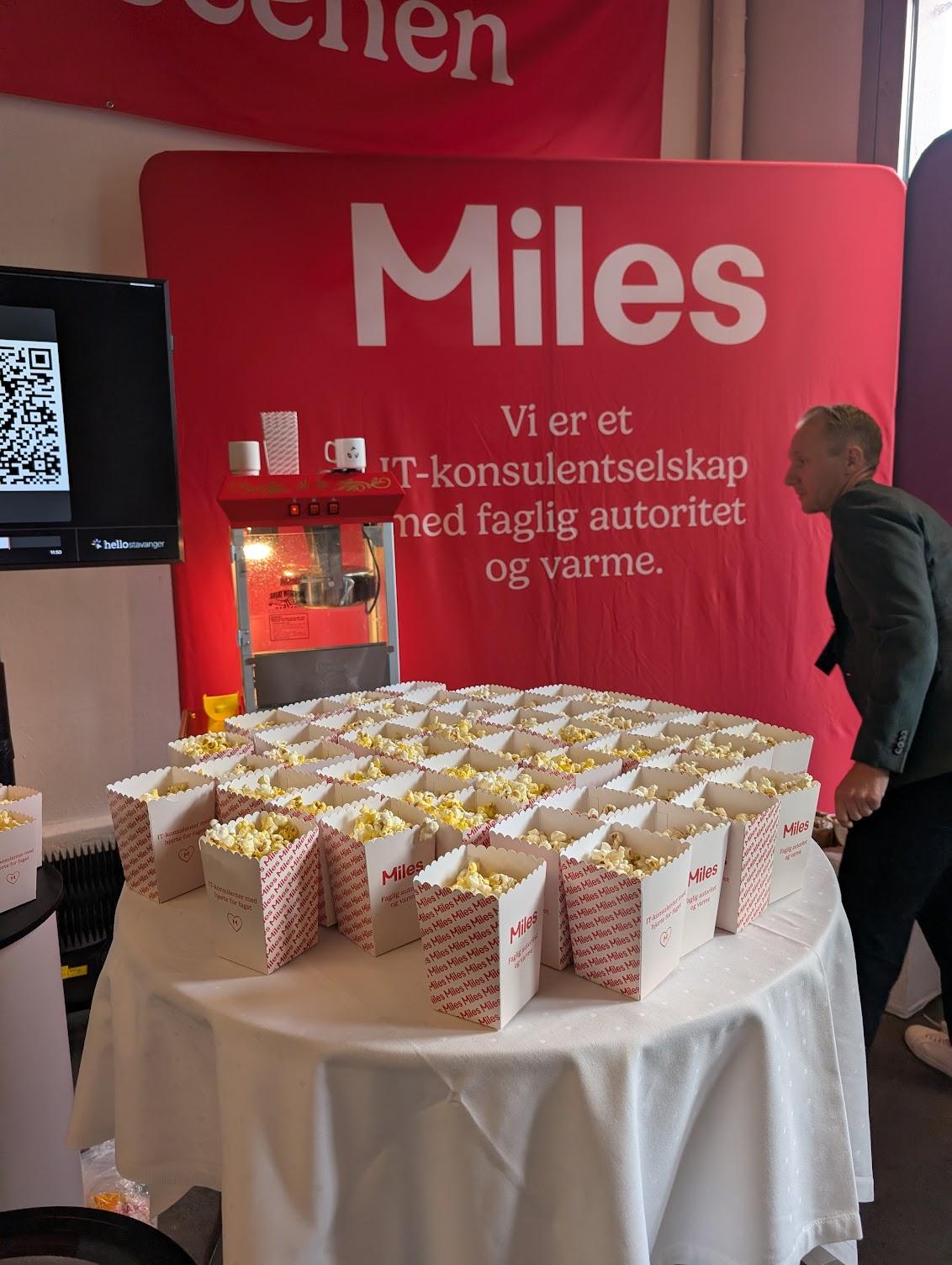
Against that backdrop, what the Hello Stavanger team pulled off was all the more impressive. The organisers did a phenomenal job of making everything flow, and you'd never have known about any of the pressures behind the scenes. Food and drink were fully stocked all day, with great lunch and dinner options throughout. There were lovely little touches too, like popcorn machines running from breakfast to dinner, and self-serve pick and mix stands, which were dangerous for the waistline but great to have around.
There was a full programme of social events around the conference as well. One evening featured a concert from local band TØFL, which I sadly missed. That happened to be the day PHP2Shell dropped, which was unfortunate timing for those of us running a large estate on PHP, so I was otherwise engaged. One of the perils of still having a day job while travelling to conferences! Judging by the sore heads the next morning, though, it went off really, really well.
The Speakerator
The organisers' attention to detail at the conference carried through to how they looked after speakers, too. A good example was the "Speakerator", a section of the conference website that speakers could log into. It gave a breakdown of the whole week in one place. Flights, hotel, speaker events, my own talk, and even attendee feedback, all on a single page.
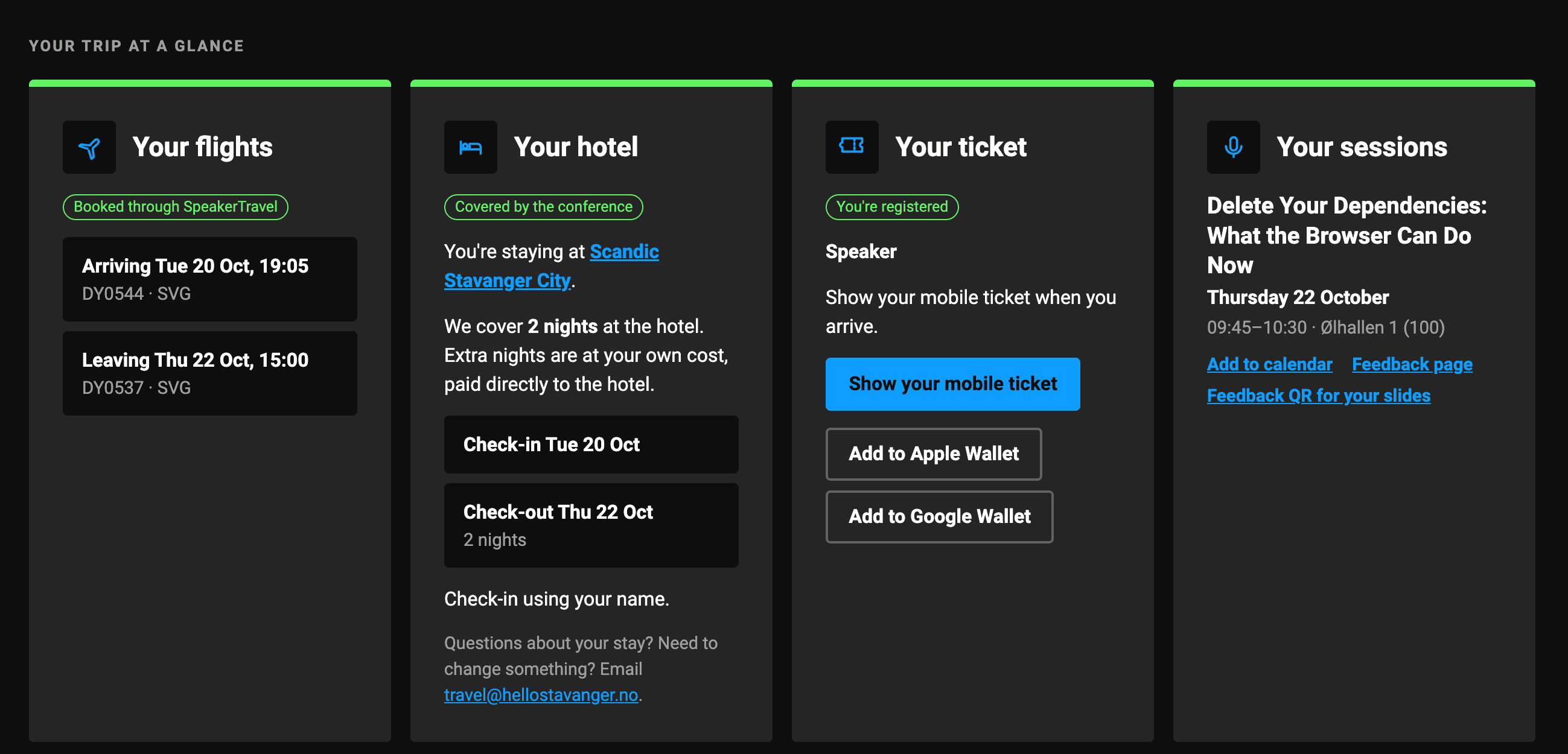
That turned out to be really helpful. Normally, the details of a conference trip are scattered across emails, Slack messages and flight apps, and finding the one I need at any given moment involves a fair bit of digging. Here, it was all in one place. There was also a checklist which would prod you if you hadn't yet answered a given section, so nothing slipped through the cracks.
It's a really nice feature, and a thoughtful touch from the organising committee.
The Vinyl Factory
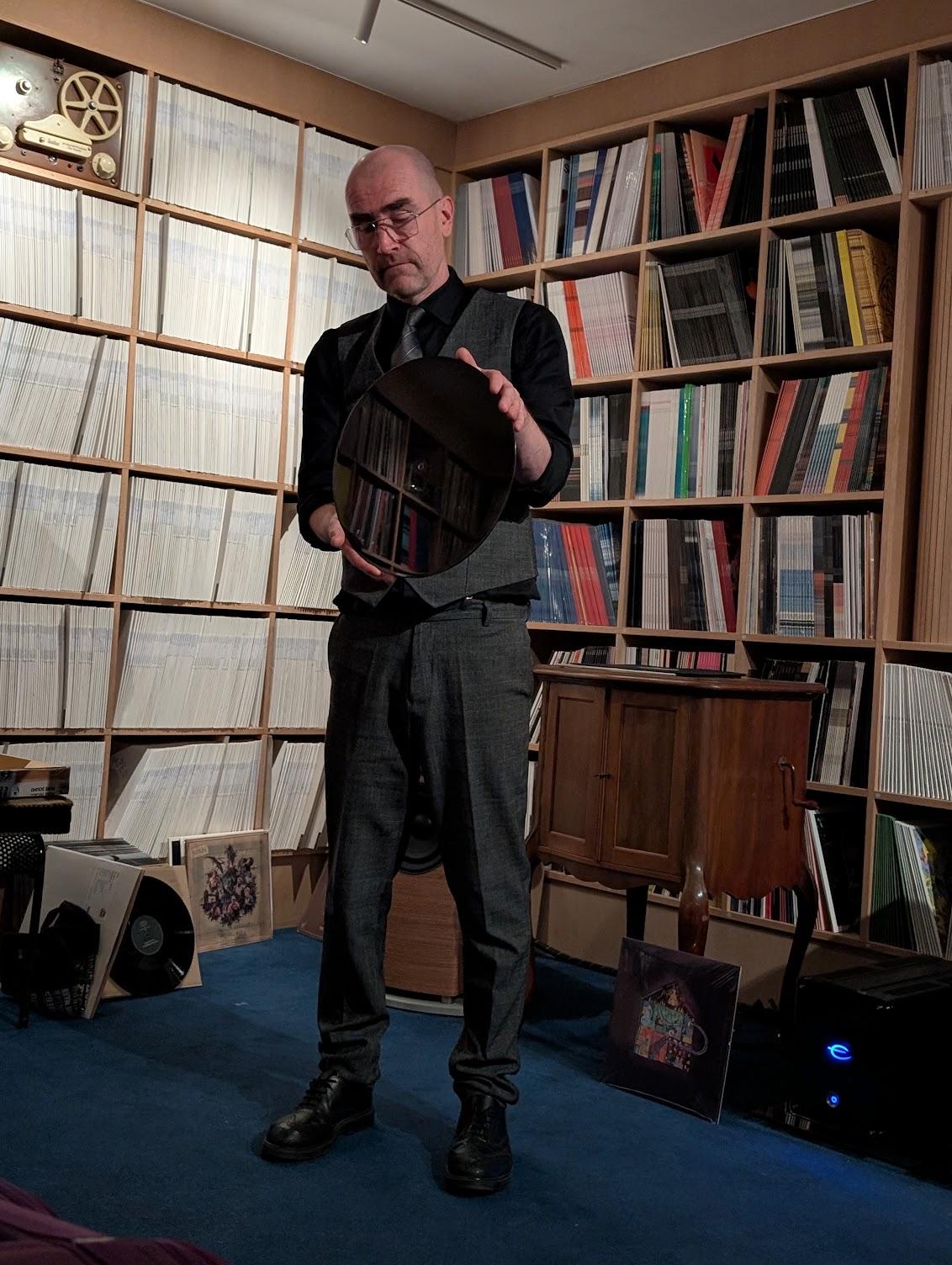
There was a special treat for the speakers, too. Tou Scene is home to T-Time Vinyl Plant, a working vinyl pressing plant, and we got a tour of the factory floor to see how records are actually pressed.
Afterwards we got to spend some time in their listening room, which had a very fancy stereo system (north of €60,000 worth!) and walls of records the plant had pressed.
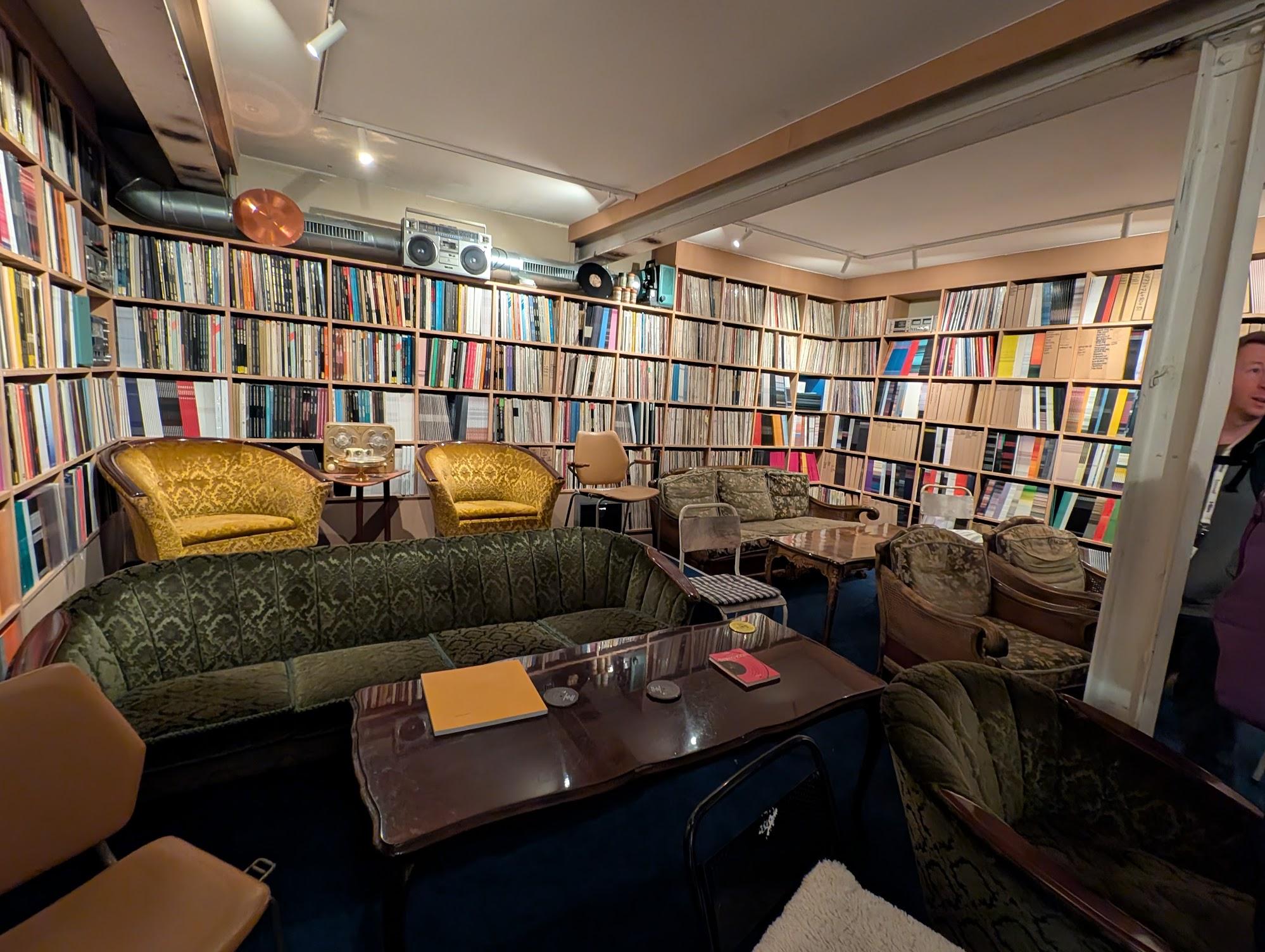
Our guide talked us through what makes a good record, and how much difference a good cutter makes. He then played the same song from different records, cut in different ways, so we could try to hear the difference between one pressing and another.
It was fascinating, and something I would never have thought to organise for myself. As speaker perks go, it was a really special one, and a really memorable afternoon. Huge thanks to Glenn and the team for setting it up.
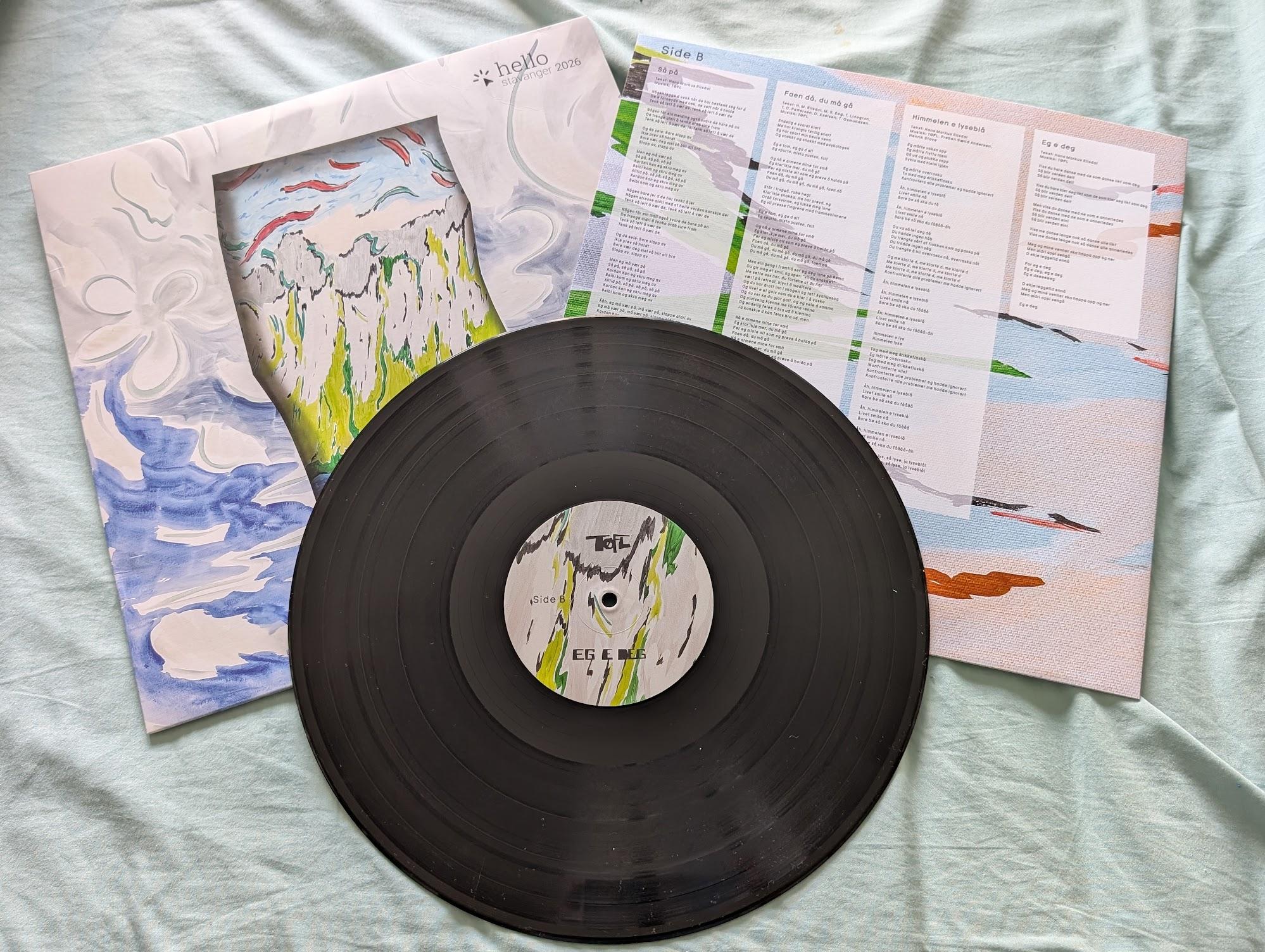
The vinyl theme carried through to the speaker gift too: a copy of TØFL's album on vinyl, with a cover designed by local artist Ingrid Toogood, based on a painting in her studio at Tou. So I didn't get to see the band live, but I did get to bring them home with me. A lovely, very local touch, and easily one of the nicest speaker gifts I've received.
Stavanger
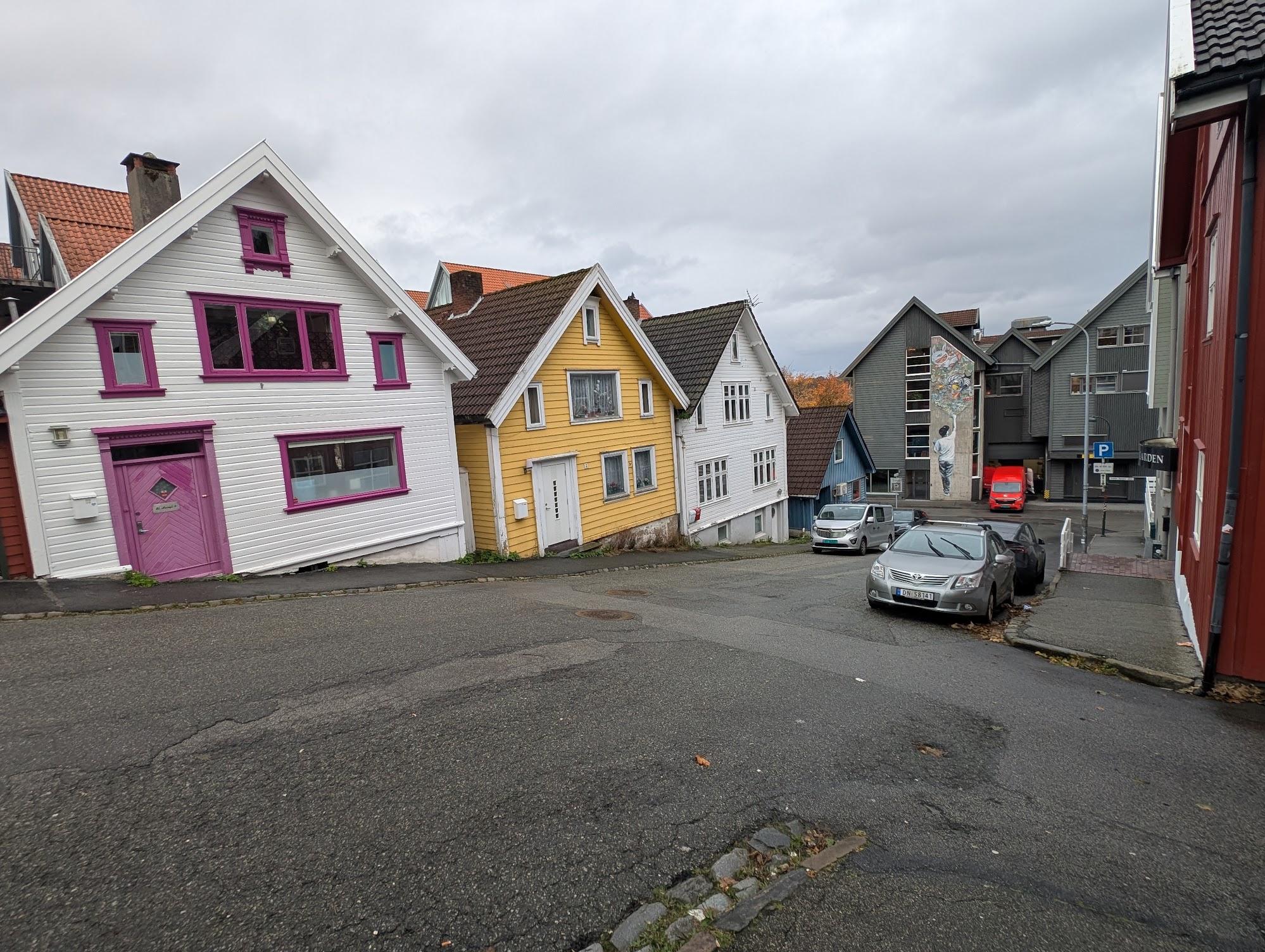
Stavanger itself is a lovely small city, and a surprisingly hilly one. Given Norway's fjords and mountains, that probably shouldn't have come as a shock, but it certainly wasn't what I was expecting. I thought the hills of San Francisco were rough on the calves. San Francisco has nothing on this place.
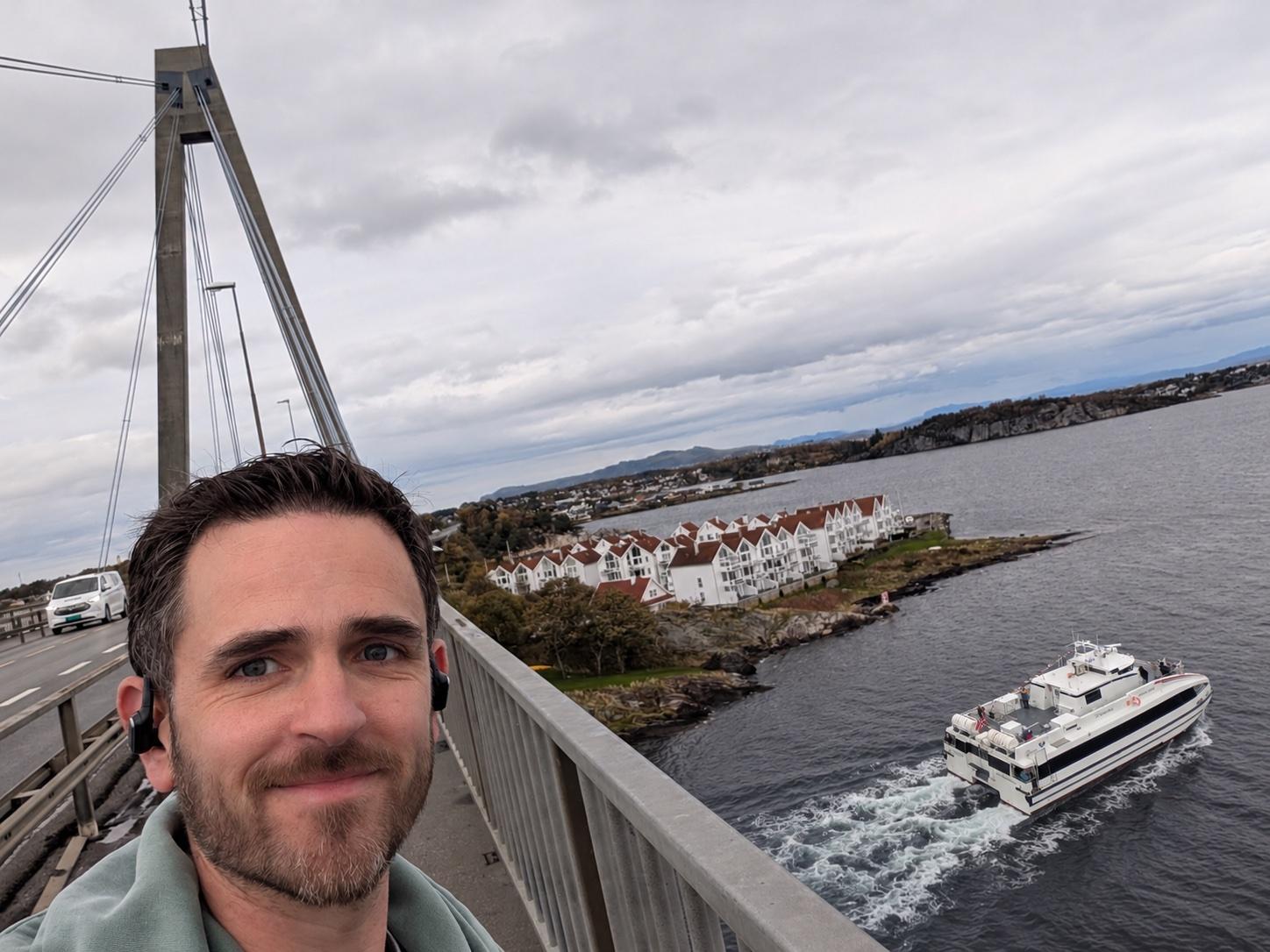
One of the city's landmarks is the Stavanger City Bridge, which stretches just over a kilometre across the water. It's a great spot to walk out to for a view back towards the town, and to let the fresh North Sea air blast through your hair and wake you up after a long day of talks.
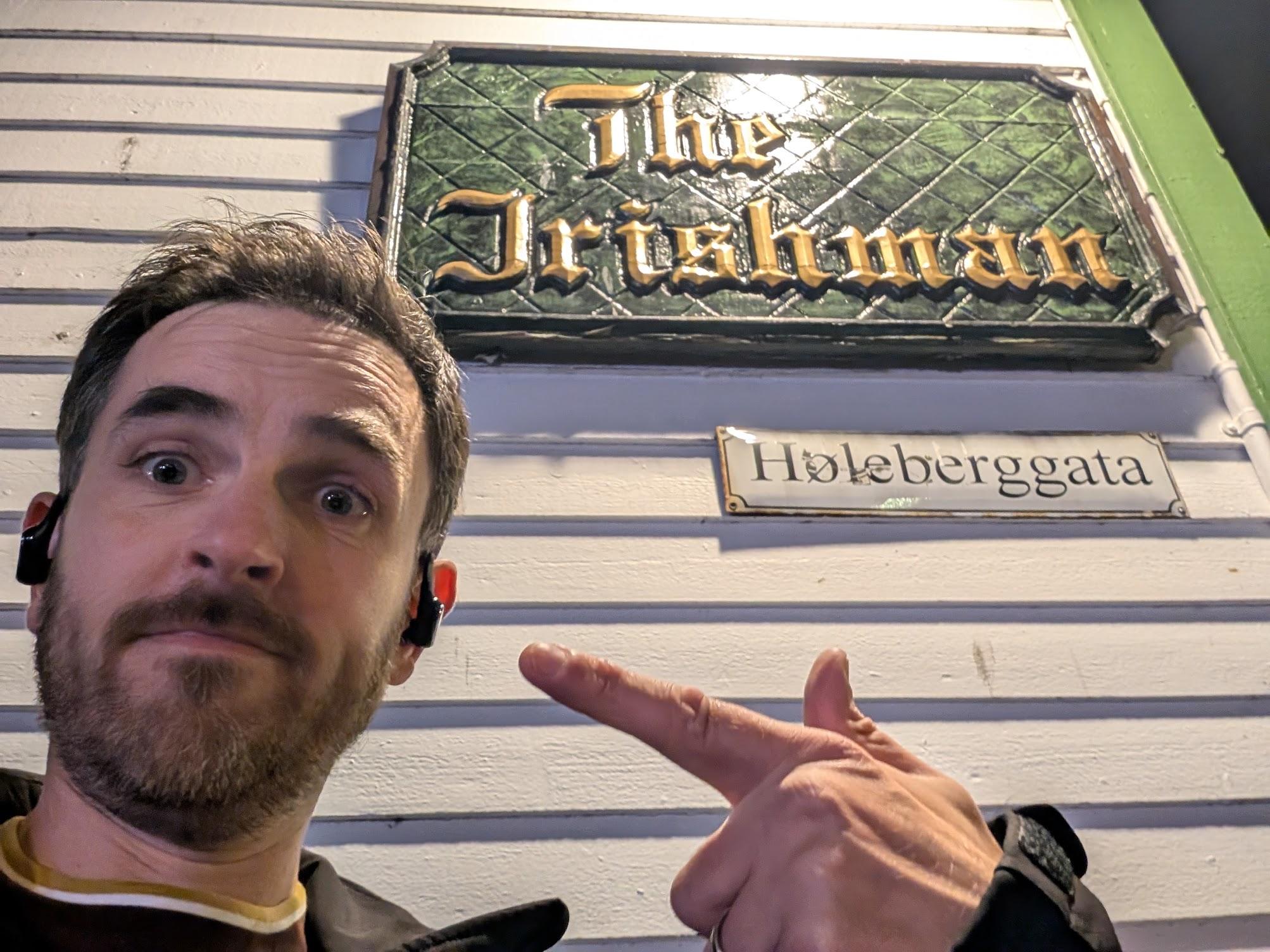
And of course, there were multiple Irish bars. Go near, go far, it doesn't matter. Total cultural victory for the Irish.
Final Thoughts
Huge credit to the Hello Stavanger team for putting on such a brilliant event.
The organisers were friendly, and the team were everywhere. Nobody wanted for anything, and nobody was ever confused about where to go, which is no small feat in a venue like Tou Scene. Add in an exceptionally high quality of talks and a great atmosphere throughout, and it's hard to ask for more.
If you ever get the chance to go, I would highly, highly recommend it. I was very lucky to be a small part of it.