Øredev 2026, Malmö
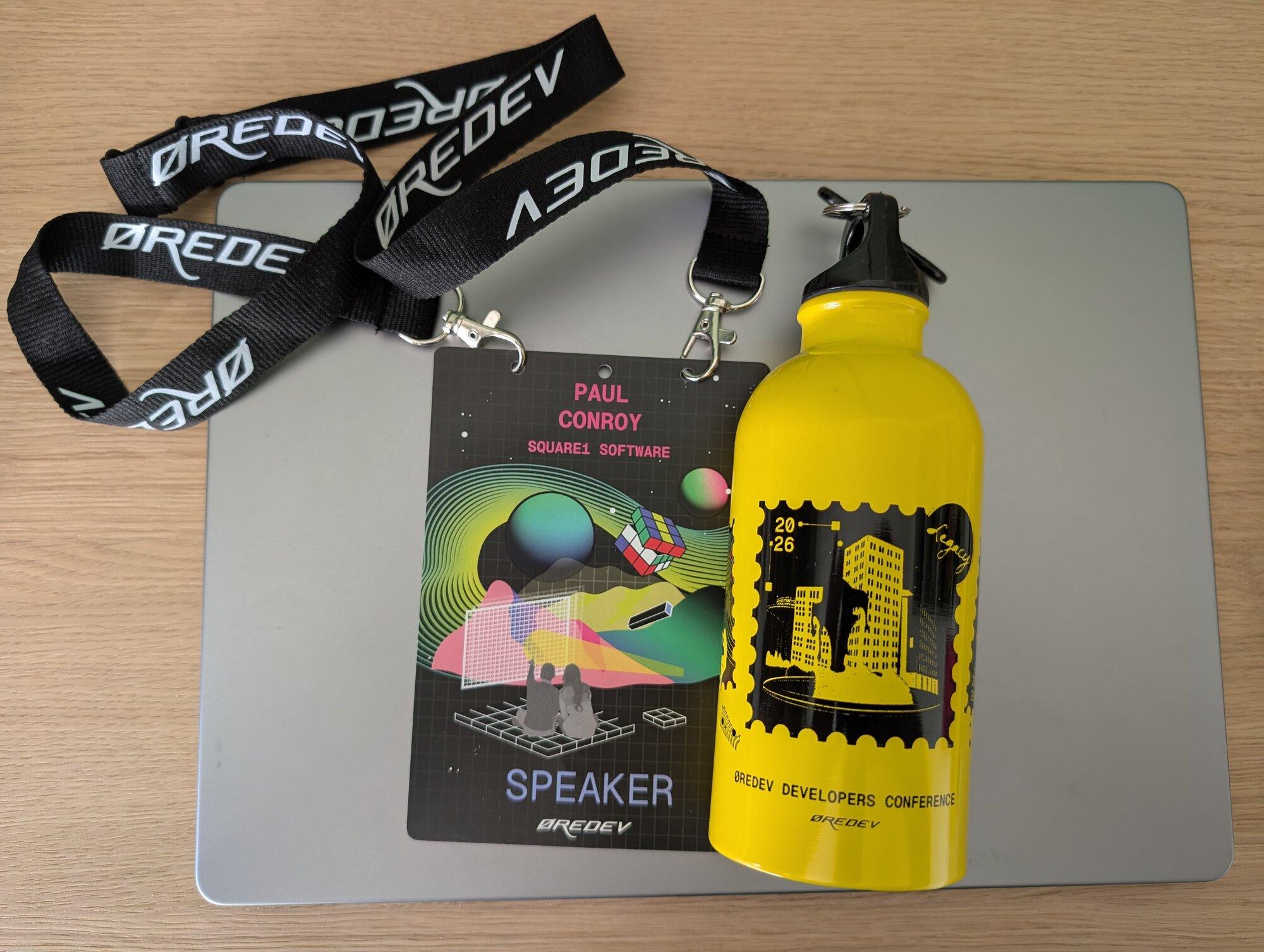
In November 2026 I had the pleasure of speaking at Øredev, in Malmö, Sweden.
This year was Øredev's 20th anniversary, and the theme was legacy: what we've built over the years, and what we leave behind for the future. It was a really interesting conference, and one I enjoyed hugely, both as an attendee and as a speaker.
The Talk
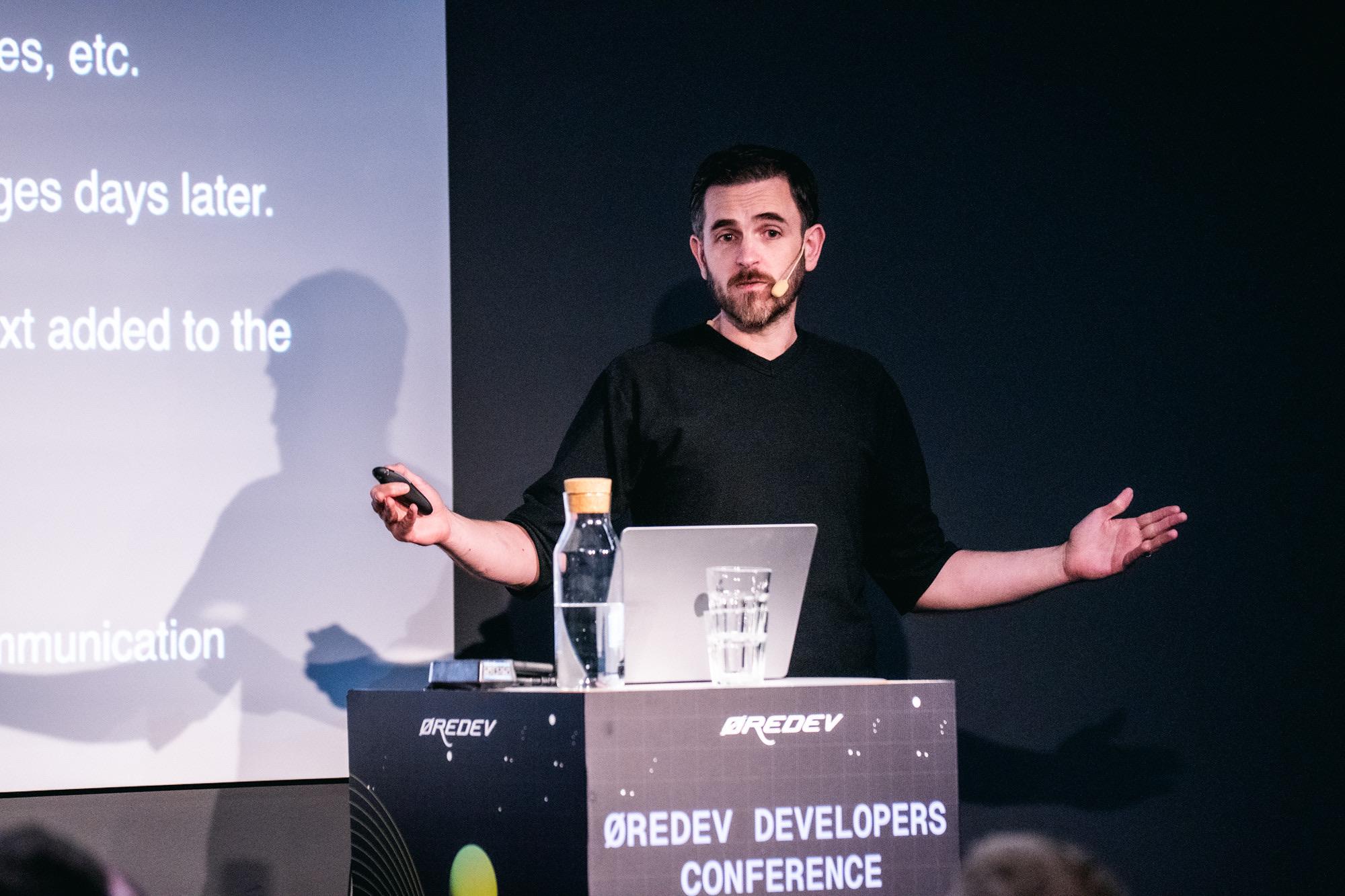
I spoke about Avoiding Déjà Vu: Building Resilient APIs with Idempotency.
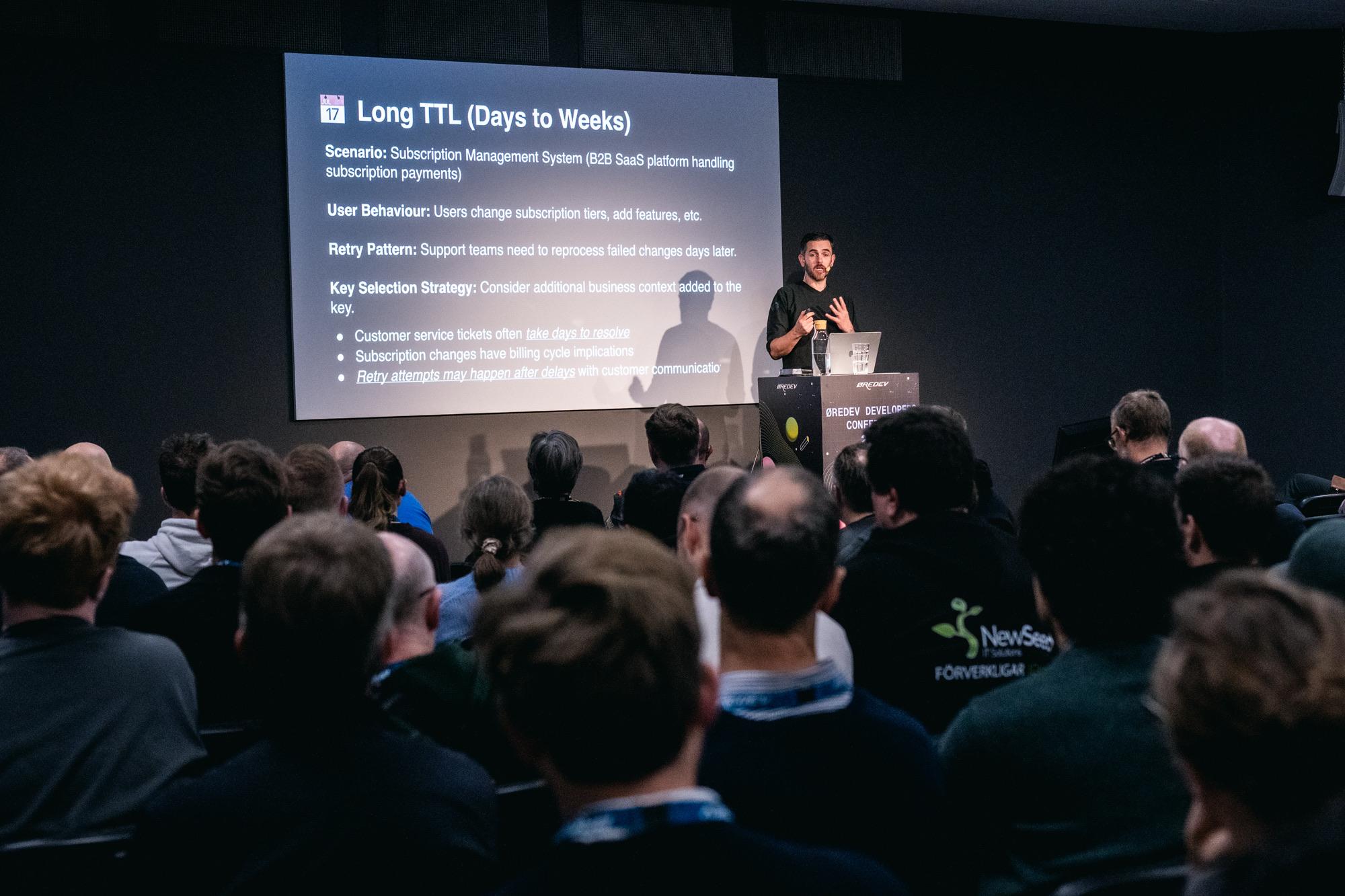
It's a talk I've given a few times now, but no talk is ever quite the same twice. Every audience brings something different, and the talk shifts a little each time to suit the room. I was very lucky at Øredev to have a really engaged, really positive crowd.
There were lots of great questions afterwards, and plenty of conversations with people eager to share their own war stories. Some were about times idempotency had saved them. Others were about times they'd forgotten all about it, and suffered the consequences.
It was great to hear. Even as we move higher and higher up the stack, with AI tooling and AI development assistants doing more of the heavy lifting, knowing these lower level concepts is still a really important part of our craft.
A Sauna and the Sea
The speaker experience at Øredev started with a bang. On the first night, all of the speakers headed to Ribersborgs Kallbadhus, a cold bath house out on a pier at Ribersborg beach, and a very famous one by all accounts.
The plan was a welcome drink, then a sauna, then a dip in the freezing waters of the Öresund, then dinner. It's quite the icebreaker for meeting a group of speakers for the first time. Nothing gets the conversation going quite like sitting in a Scandinavian sauna with people you met ten minutes ago.
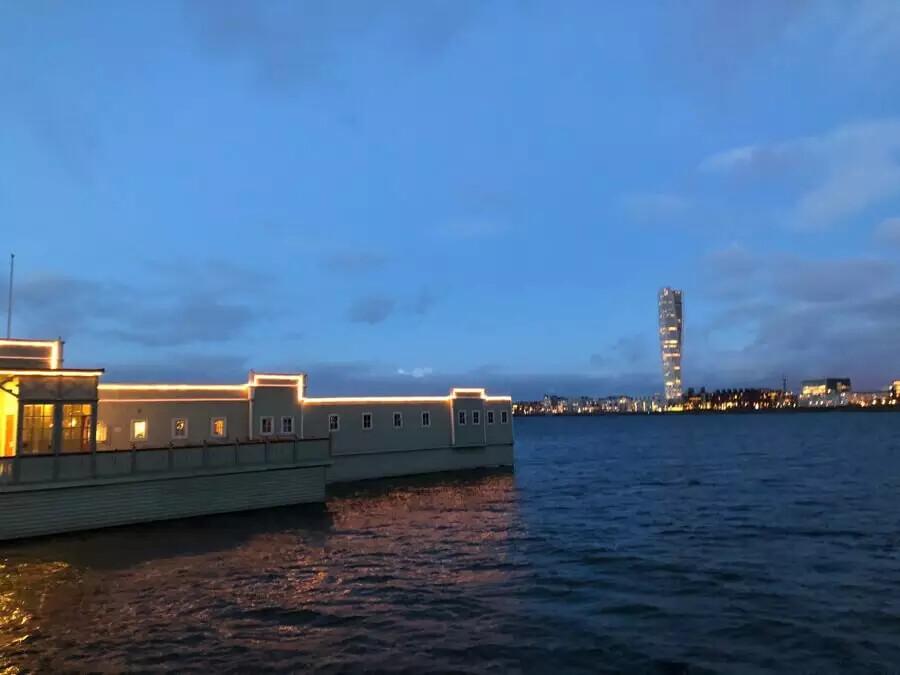
I'll be honest, it's never something I would have chosen for myself. But it was a great experience. The heat, followed by the plunge into the icy sea, left me so relaxed that I very nearly fell asleep at the dinner table. It was a wonderful evening, with a great dinner alongside the other speakers and the organising committee.
Malmö City Hall
The following night, there was a welcome reception for speakers at Malmö City Hall. The vice chair of the city council gave us some of the history of the city.
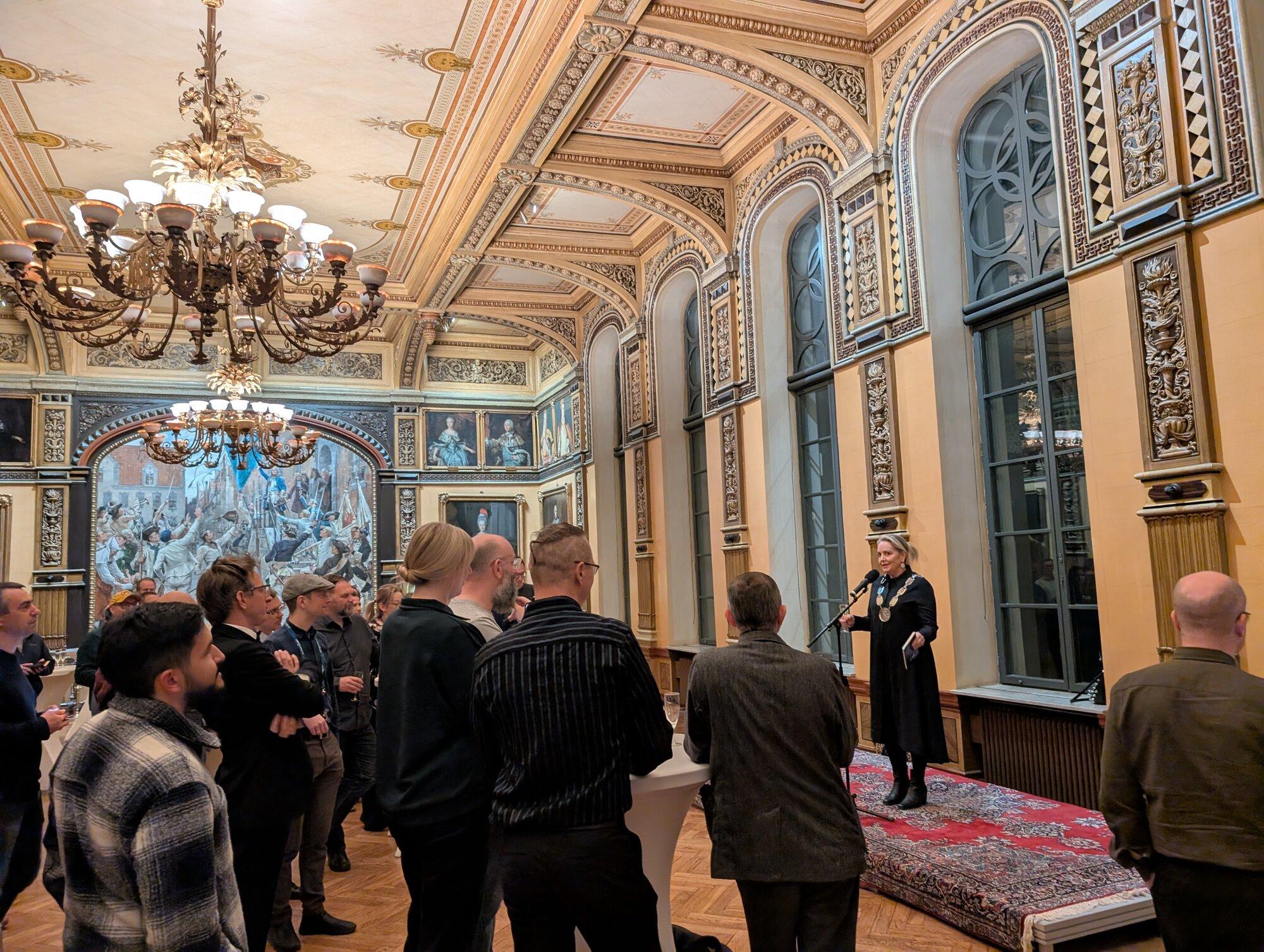
The surroundings were beautiful, with portraits of the old Danish royals alongside more modern pieces of Malmö's story. The Danish royals are there, we were told, because Malmö was Danish for longer than it has been Swedish. But, came the quick follow-up, it is very much Swedish now.
Again, there was great food, and another chance to mix with speakers from all over the world. It was an interesting mix of people, too. Øredev isn't a purely technical conference. As well as developers and technical architects, there were people from all walks of life, from medical researchers to people working in academia. Hearing how AI is impacting all of our lives and our work, for better or for worse, made for some fascinating conversations.
The Conference
Øredev is an enormous conference, with a huge number of attendees, and it went off very, very smoothly. I'm sure it may not have felt that way for the organisers behind the scenes, but as a speaker and an attendee, everything ran like clockwork. That's very impressive at that kind of scale.
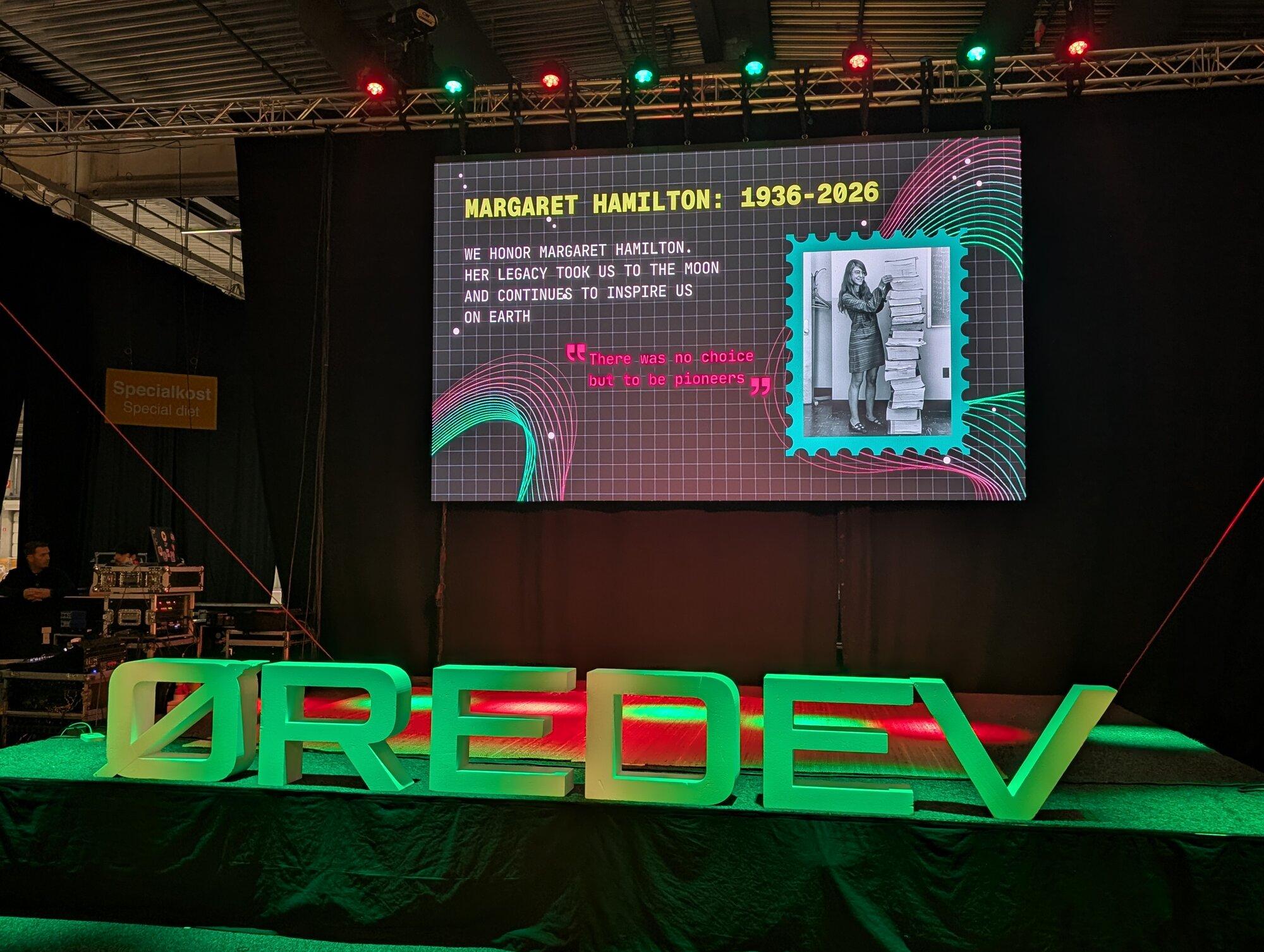
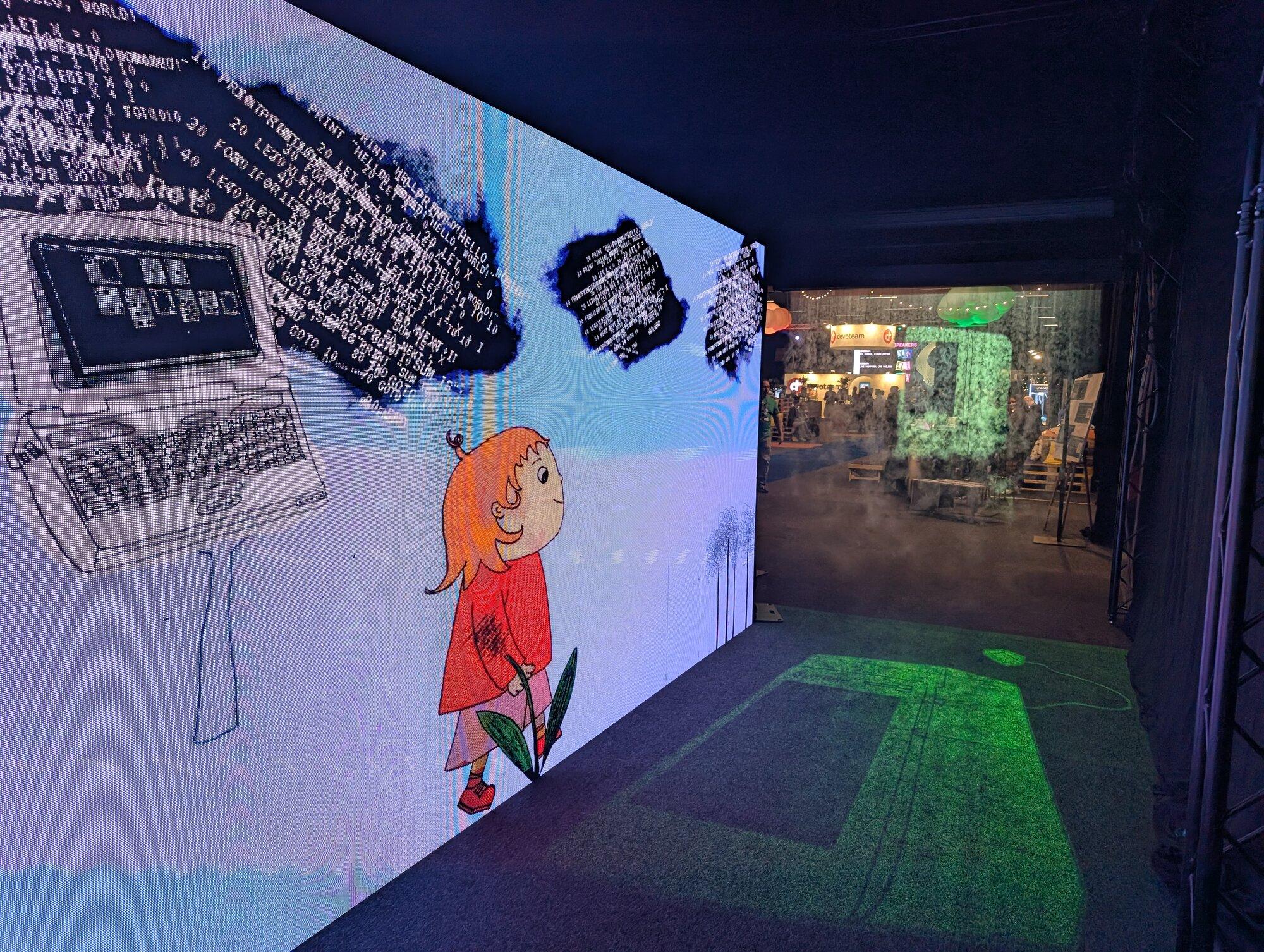
The legacy theme ran right through the event, from the stage in the common area, home to podcast recordings between sessions, where Øredev paid tribute to Margaret Hamilton, whose software helped take us to the moon, to an immersive walk-through installation of LED walls, old-school BASIC code and a curtain of mist.
The variety of talks was really impressive as well. There was everything from low-level technical talks, where I wanted to grab the code and run straight back to my team with it, to high-level strategic talks, to the fun ones that just made me laugh. And if you needed a breather between sessions, there were deck chairs.
Standout Talks
A few that stood out for me:
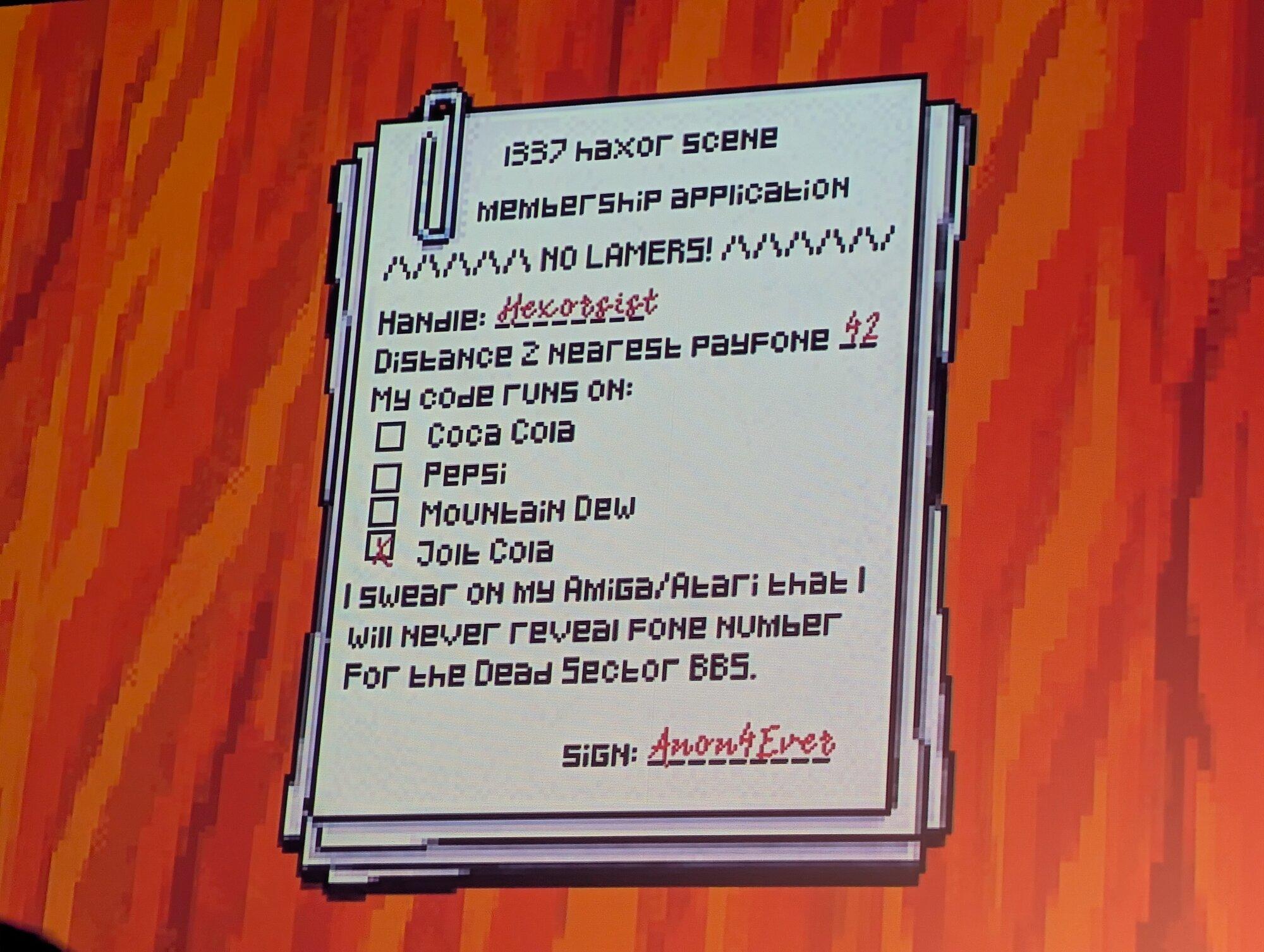
Anders Norås' The OG Social Network was phenomenal. It was a history of social networking that went all the way back to CBBS and the original bulletin board systems, delivered with pixel art style graphics. It ticked all of the right boxes for me and had my synapses firing the whole way through. Incredibly entertaining, really well delivered, and thought-provoking. If you're organising a conference, find Anders and get him to give this talk.
Kris Jenkins' Teaching Agents What Your Database Means was one of the technical highlights of the conference for me. Every organisation has a lot of implicit knowledge floating around about what its data actually means. Kris talked about making that knowledge explicit, and teaching agents to read it. Really practical, and really entertaining.
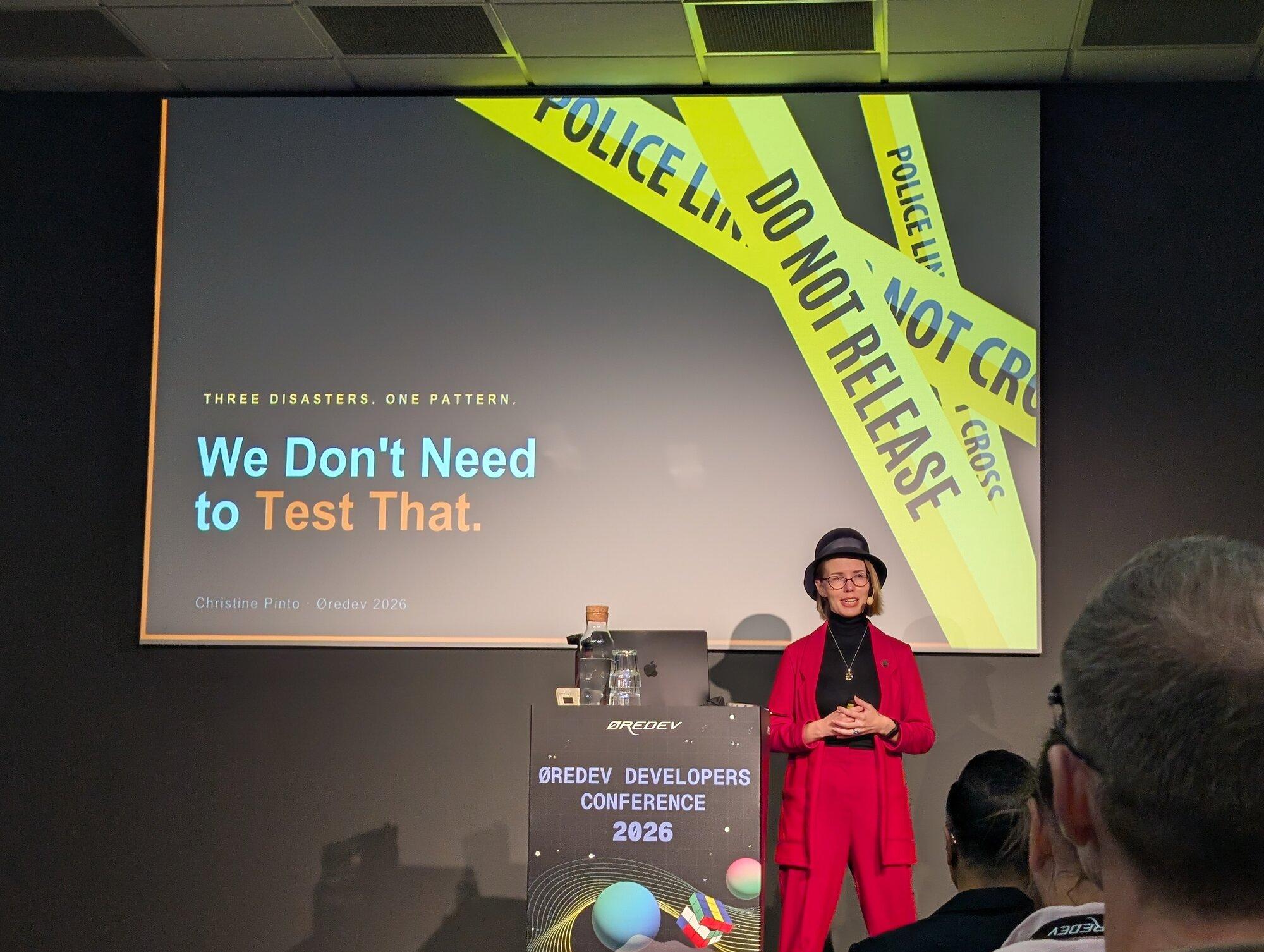
Christine Pinto's We Don't Need to Test That walked through three disasters, and the one pattern they had in common. It was really, really strong. There was a lot of audience interaction, which is always a bit of a risk at a technical conference, but it worked brilliantly. Christine has a great energy to her, and I enjoyed it greatly.
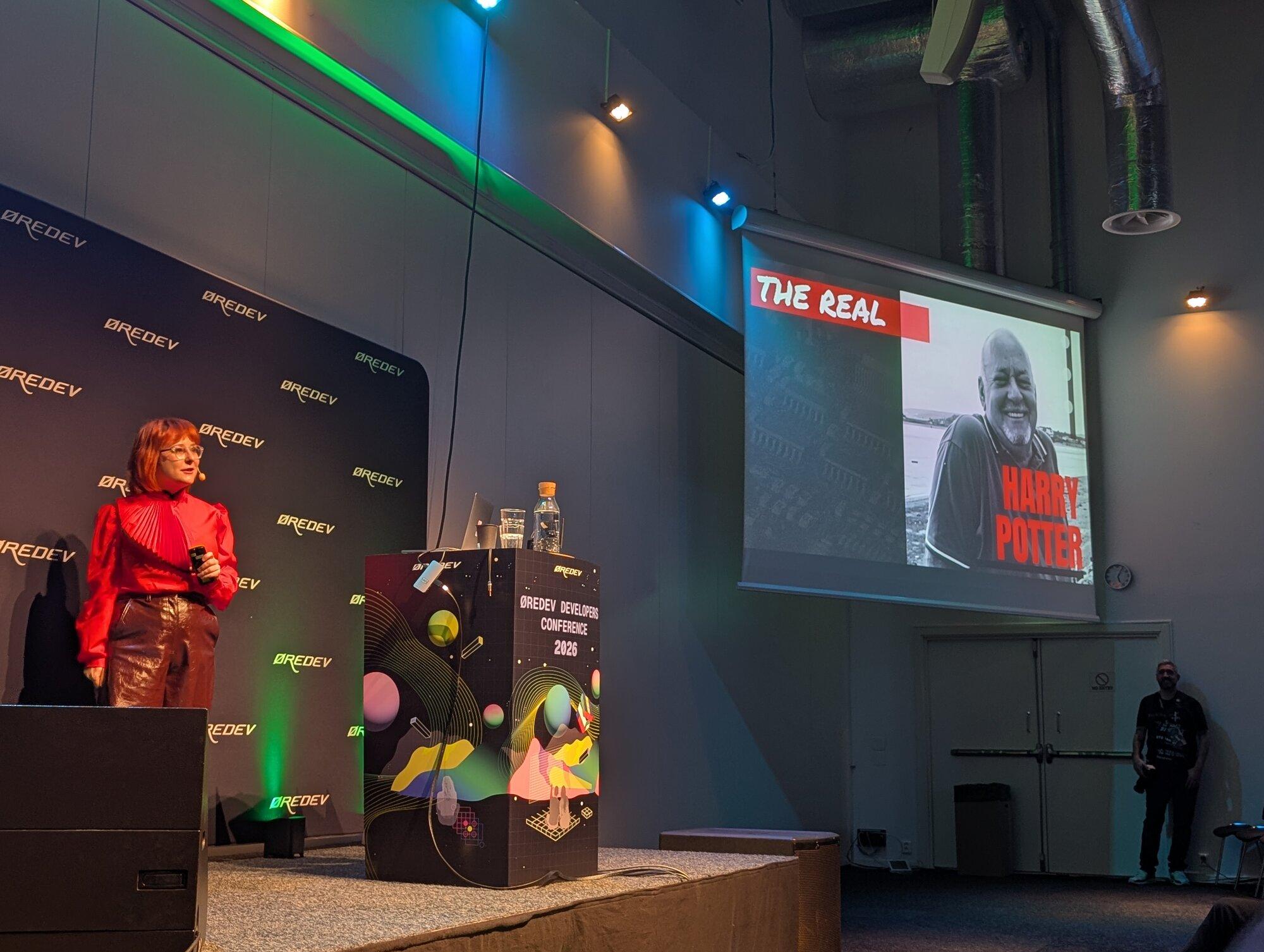
Lianne Potter's day one keynote, on Newspeak and how whoever controls the words controls the machines, was entertaining and informative. Along the way she touched on how her grandfather, Harry Potter, had his life disrupted somewhat by the arrival of a young wizard with the same name. A thought-provoking look at the power of words.
Lianne was back on day two with a talk on culture leaking data, and forecasting cyber attacks using Glassdoor reviews. Could the reviews your employees leave be signalling that your organisation has a weak cybersecurity posture? A really interesting idea, and I'm looking forward to reading the paper when it lands.
Lucky Nkosi's Web APIs You Should Be Using in 2026 was a subject very close to my heart, given my own work with browser APIs. Lucky is a really engaging presenter, and covered a lot of cool new APIs we could, and should, be using.
Christian Woerz's JavaScript in 2026: Discover Modern Solutions You Will Not Find on StackOverflow was brilliant. It was a live coding session exploring lots of the practical JavaScript features many of us aren't yet taking full advantage of. Live coding is always a brave choice on stage, and this one was a great reminder of how much the language has quietly improved.
Sergès Goma's Developers in the Dark Forest was a fun look at how we've drifted away from public spaces like Stack Overflow and Twitter as our town square, into private Slacks and Discord servers, where the knowledge we share no longer flows back into the public commons.
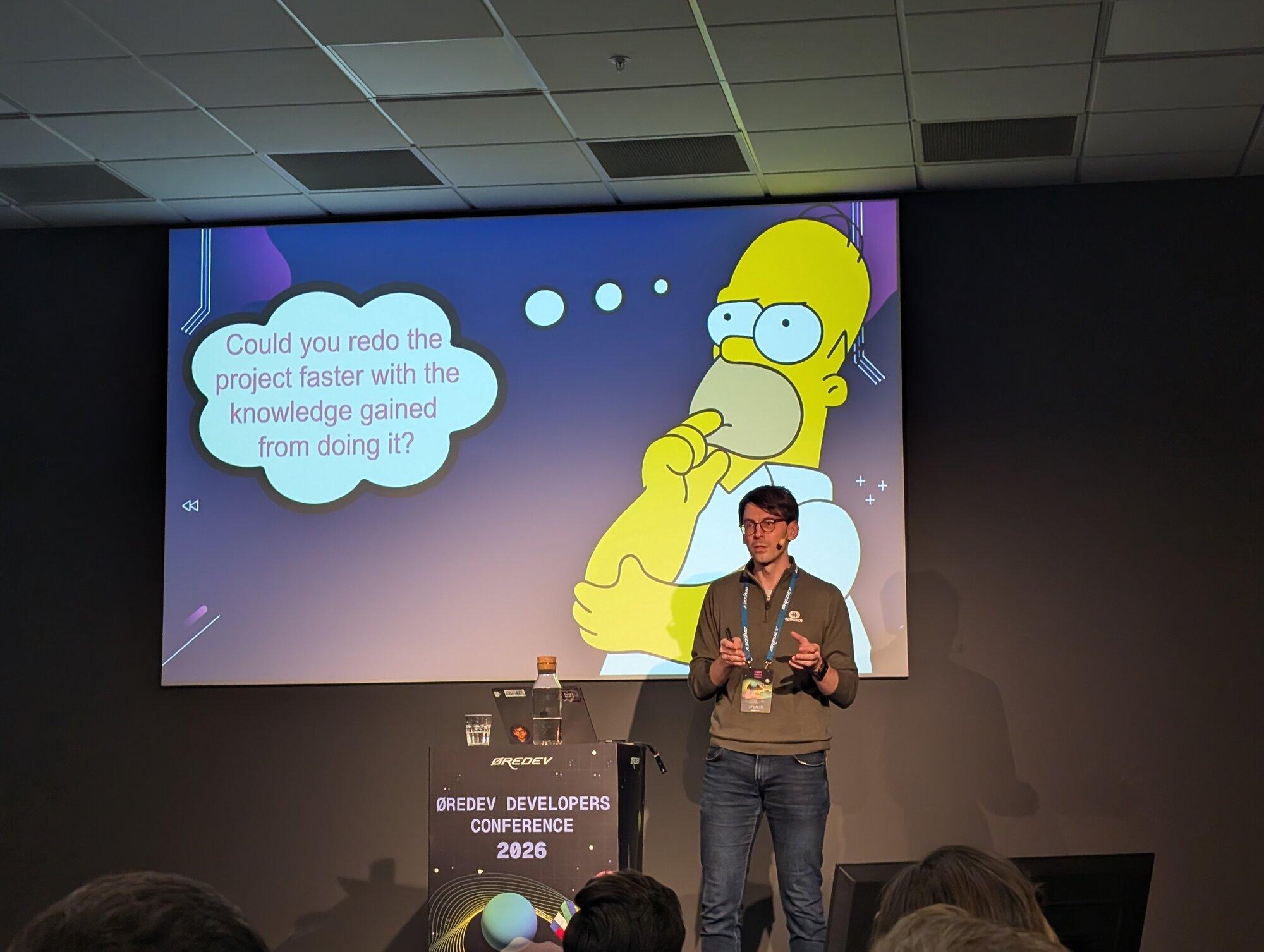
Vladas Diržys' talk on accelerating learning with event storming covered a topic I wasn't hugely familiar with, but very much enjoyed. Vladas is a great, relaxed speaker, and made the concepts very easy to understand in a practical way.
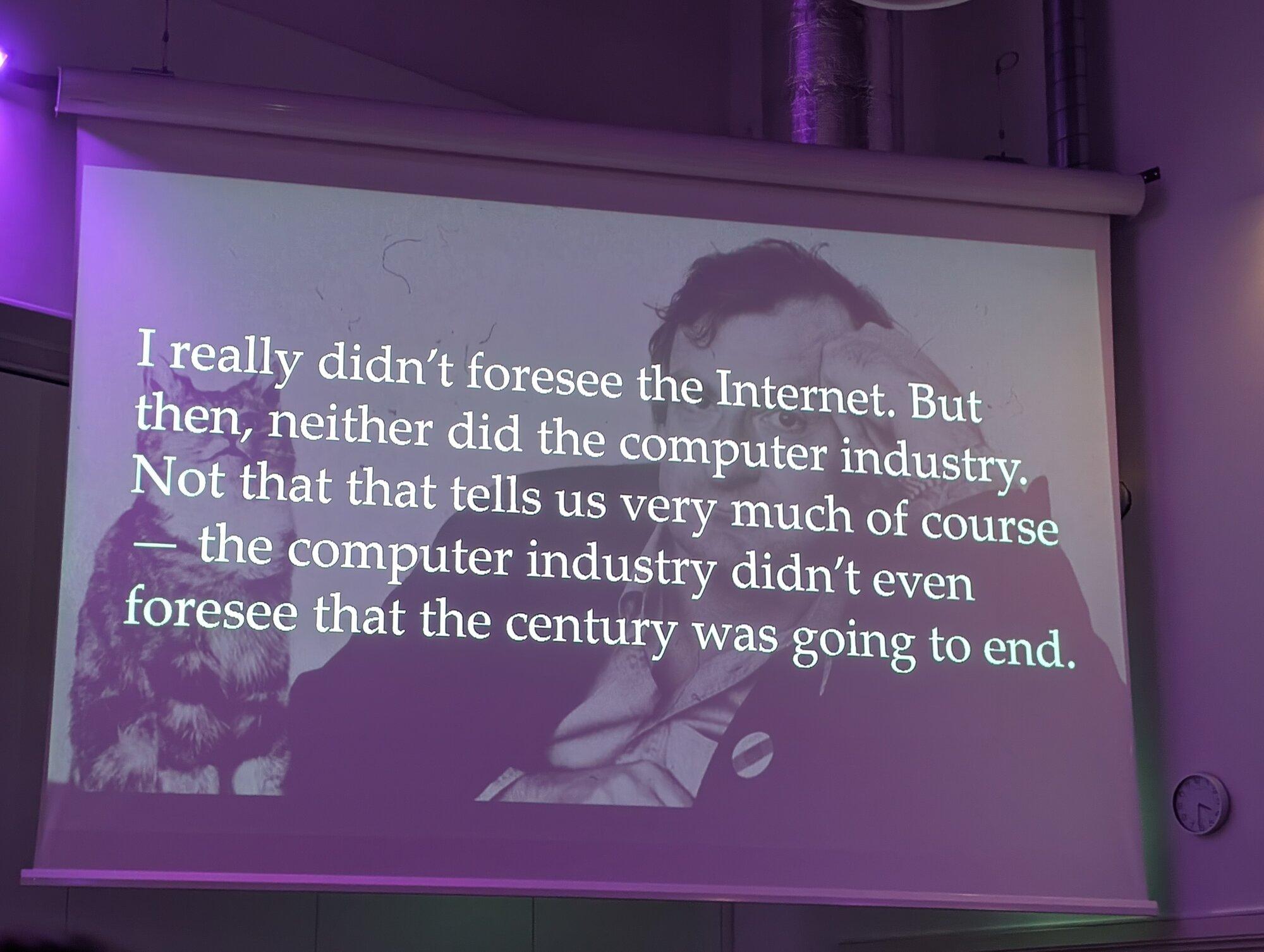
Closing out the whole event was Kevlin Henney's keynote, What We Leave Behind. It was funny, engaging, and packed with great stories, anecdotes and jokes, which I fully intend to steal and pass off as my own when talking to friends and family, in an attempt to sound smarter and more well-read than I am. It was the perfect way to close a conference themed around legacy.
The Hallway Track
As always, some of the best parts of the conference were the conversations around the edges. Whether it was over coffee, between sessions or at the speaker events, it was reassuring to find that we're all tackling a lot of the same problems. It was great to swap notes on what's working, what isn't, and come away with a head full of new ideas.
It was great to meet people from near and far, with attendees and speakers travelling from as far afield as the States and South Africa. The conversations were really thought-provoking. It's the kind of thing you can't get from watching talk recordings, and a big part of why in-person conferences are still so valuable.
Malmö
Malmö itself is a lovely city, and very easy to get to. I had a couple of days to explore the city and the surrounding area.
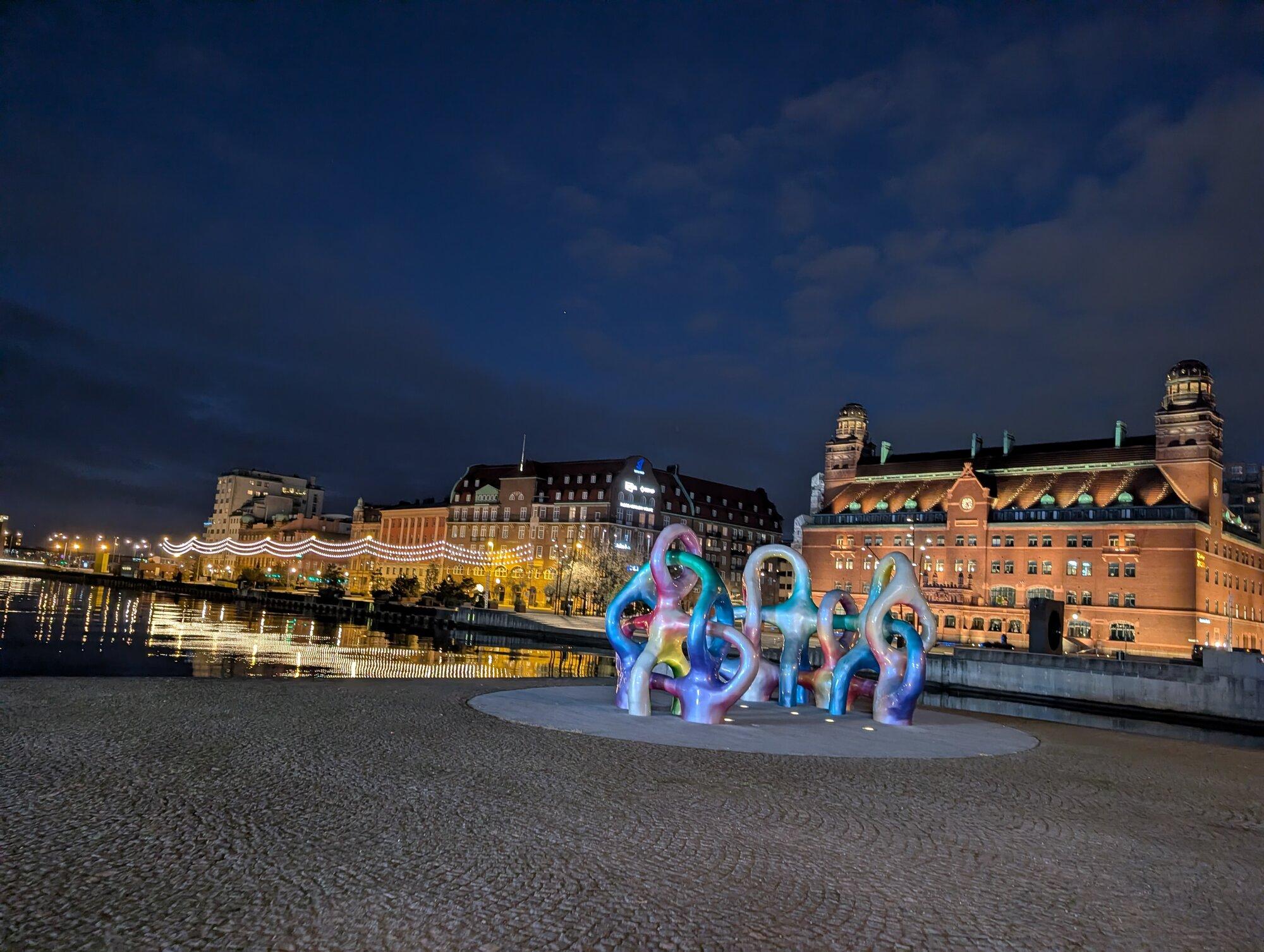
Out in Hyllie, I paid a visit to Emporia, one of Scandinavia's largest shopping centres. The architecture around Malmö doesn't do things by halves, either.
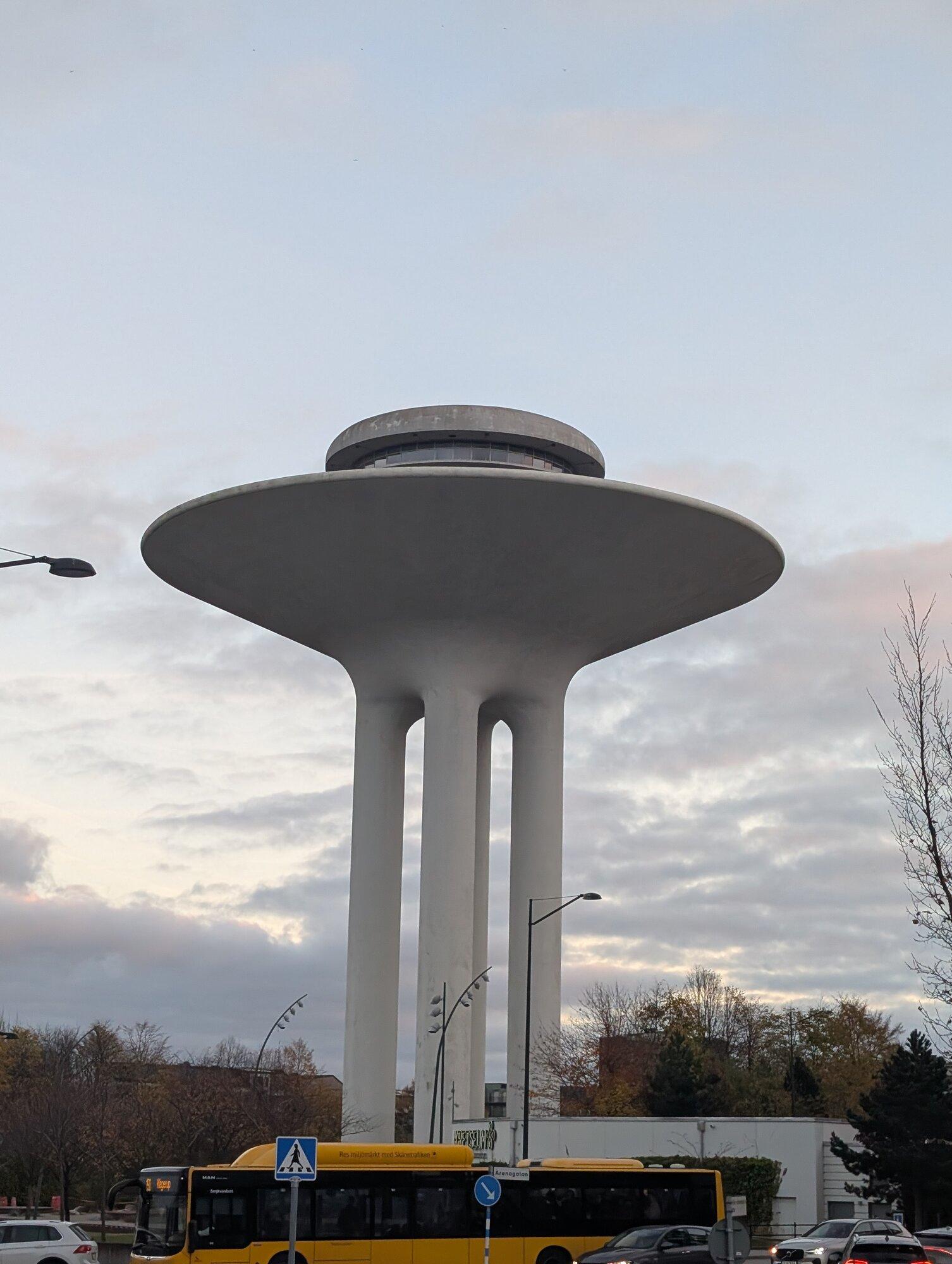
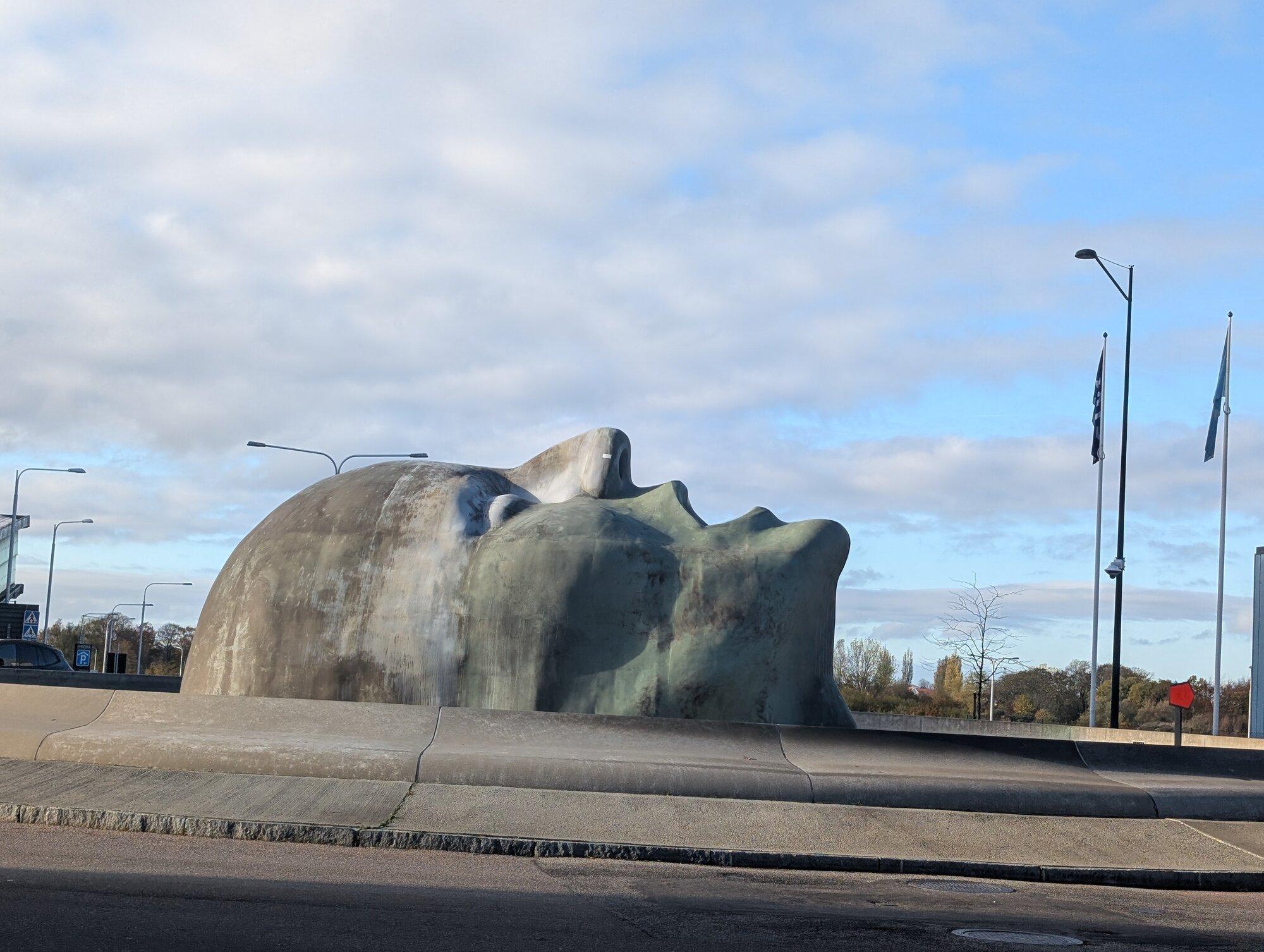
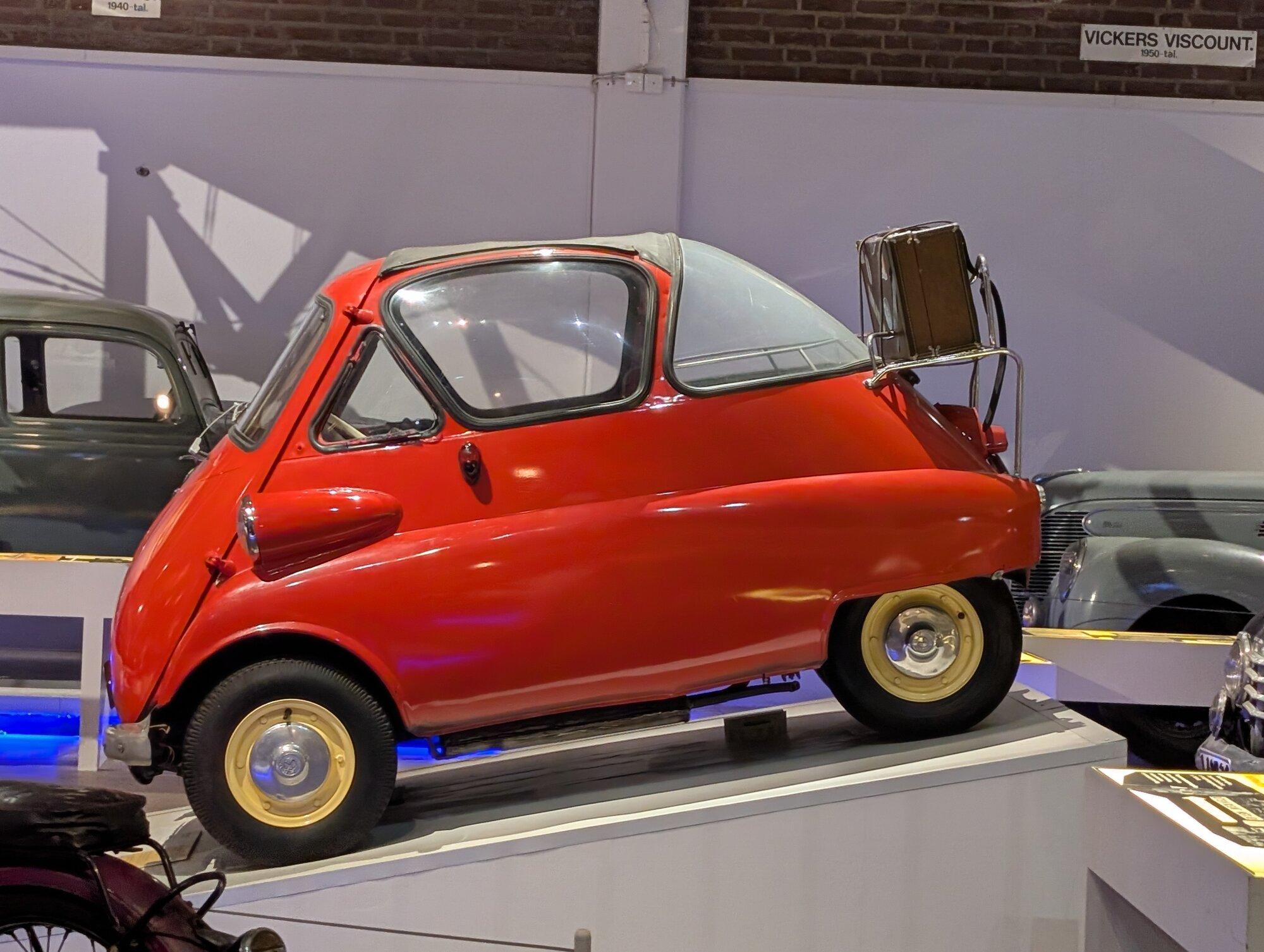
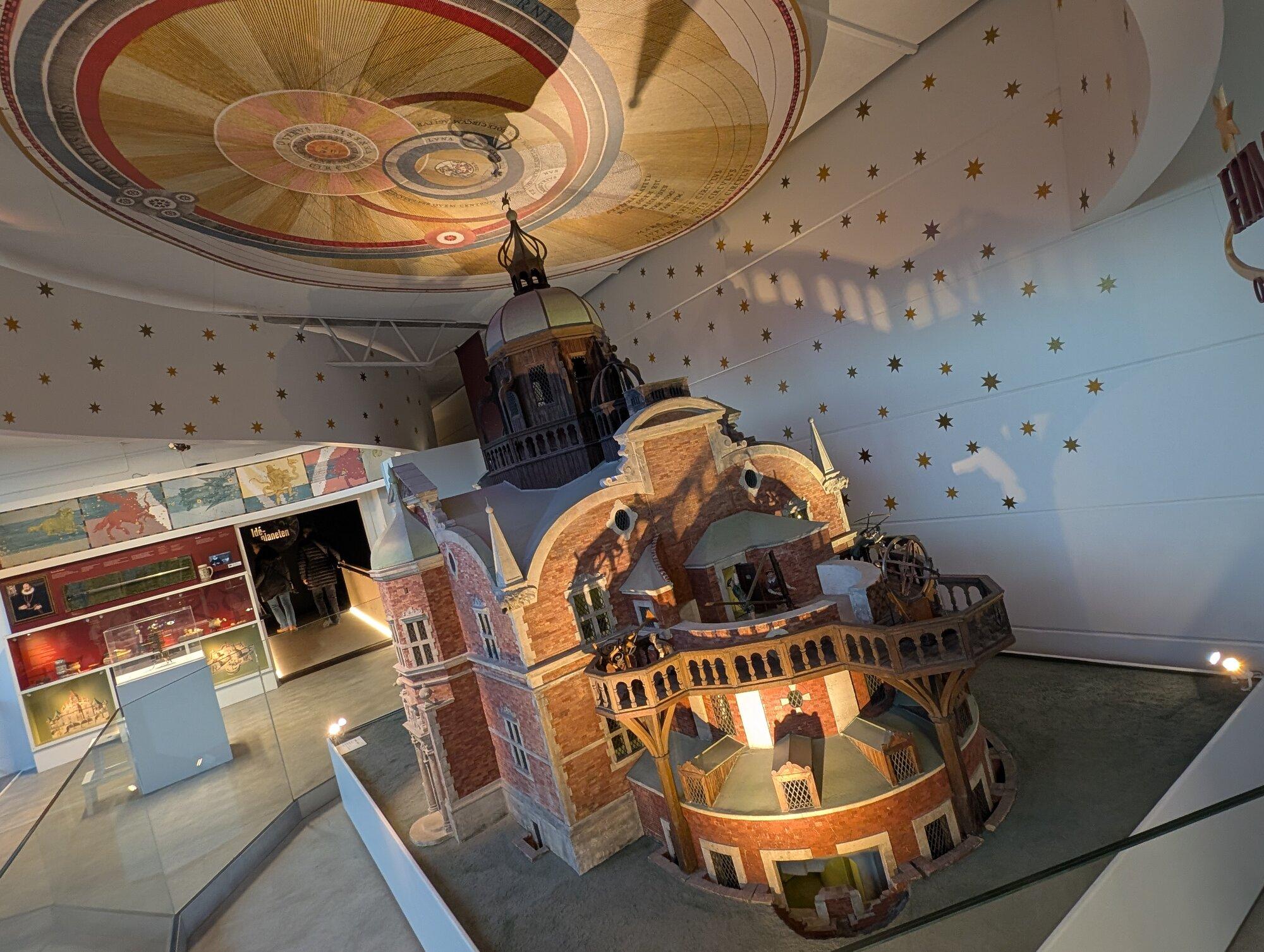
The highlight was the science and technology museum, Teknikens och Sjöfartens hus. You can climb down inside a real submarine, which is every bit as cramped as you'd imagine.
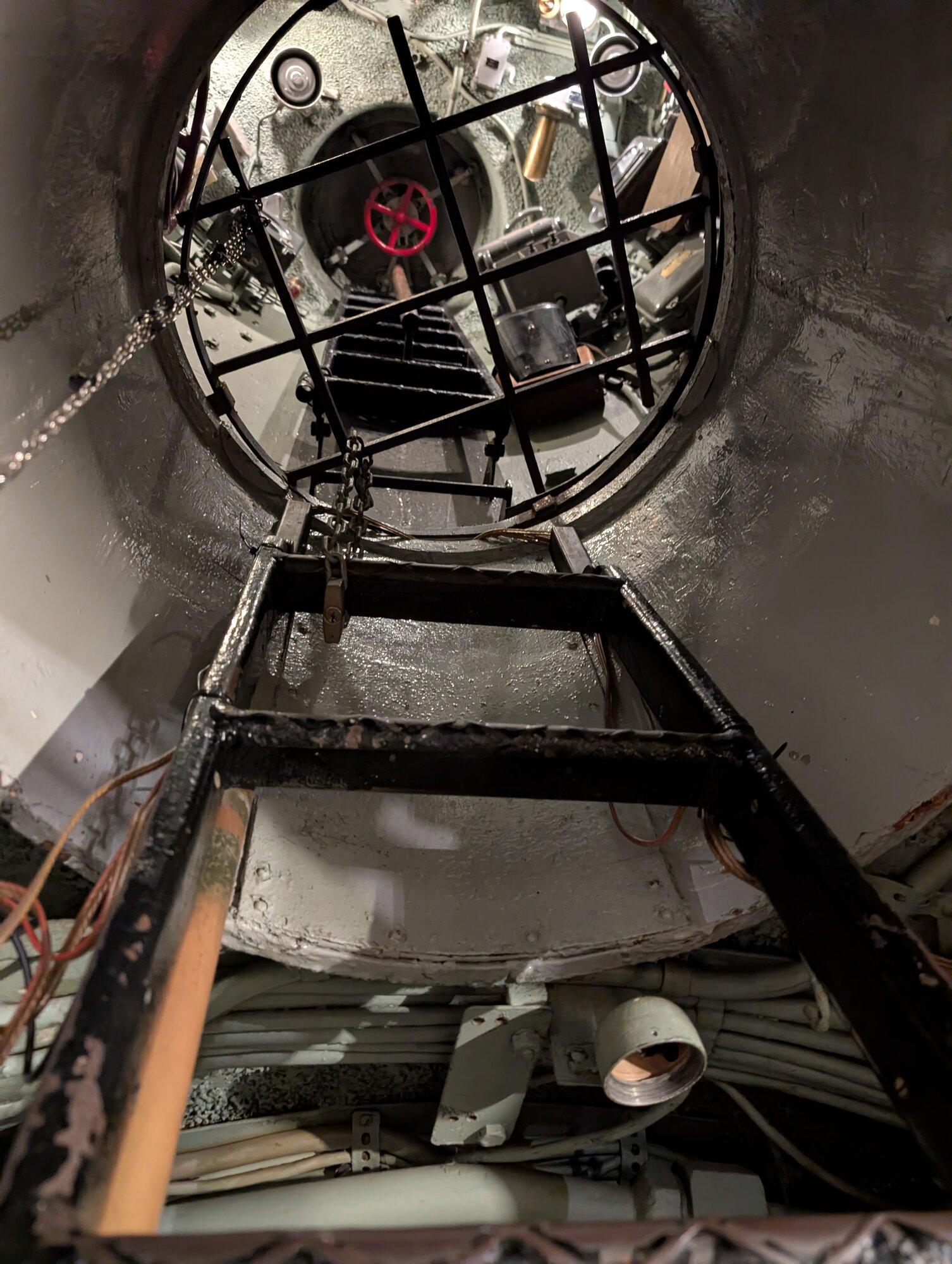
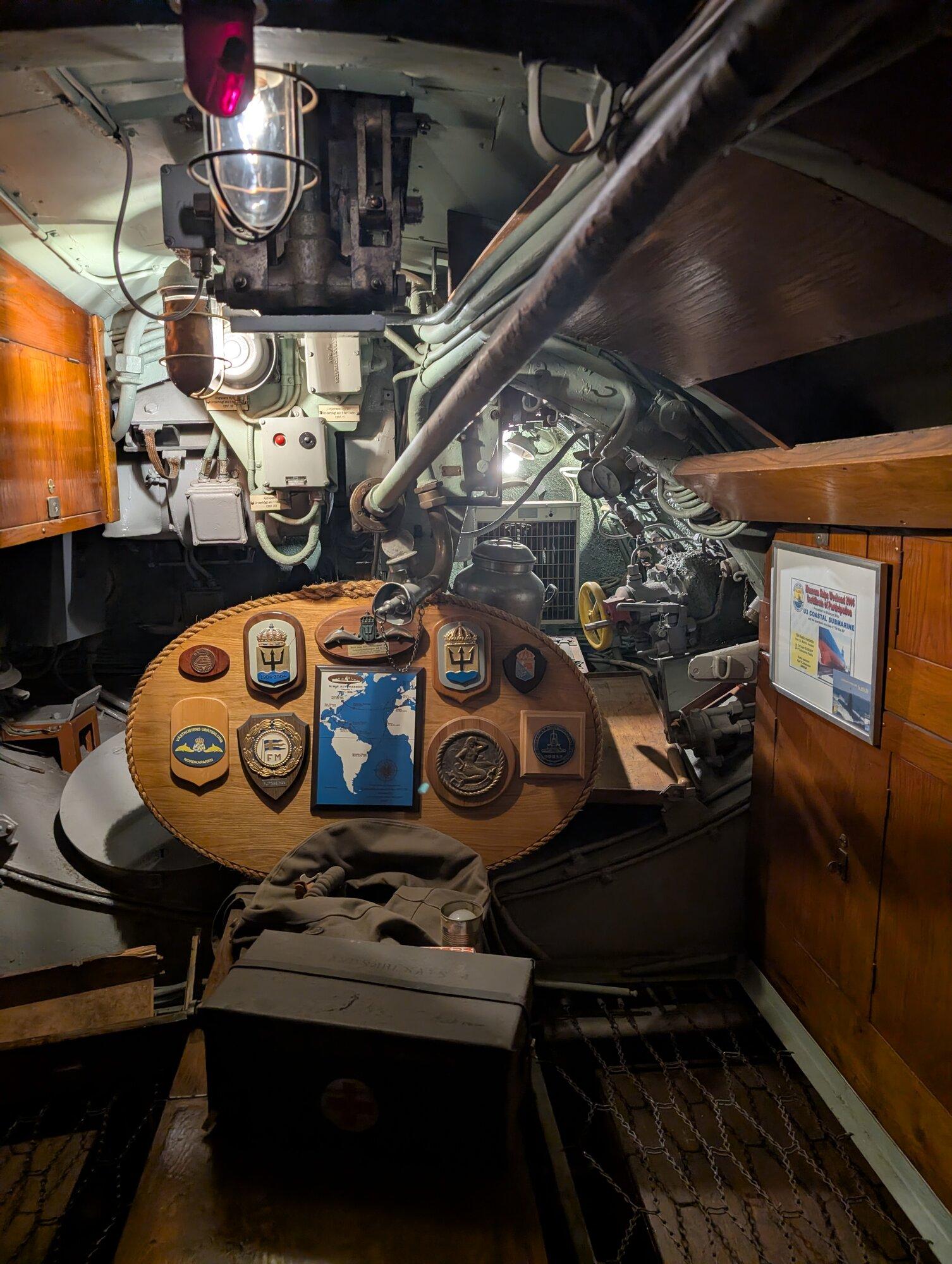
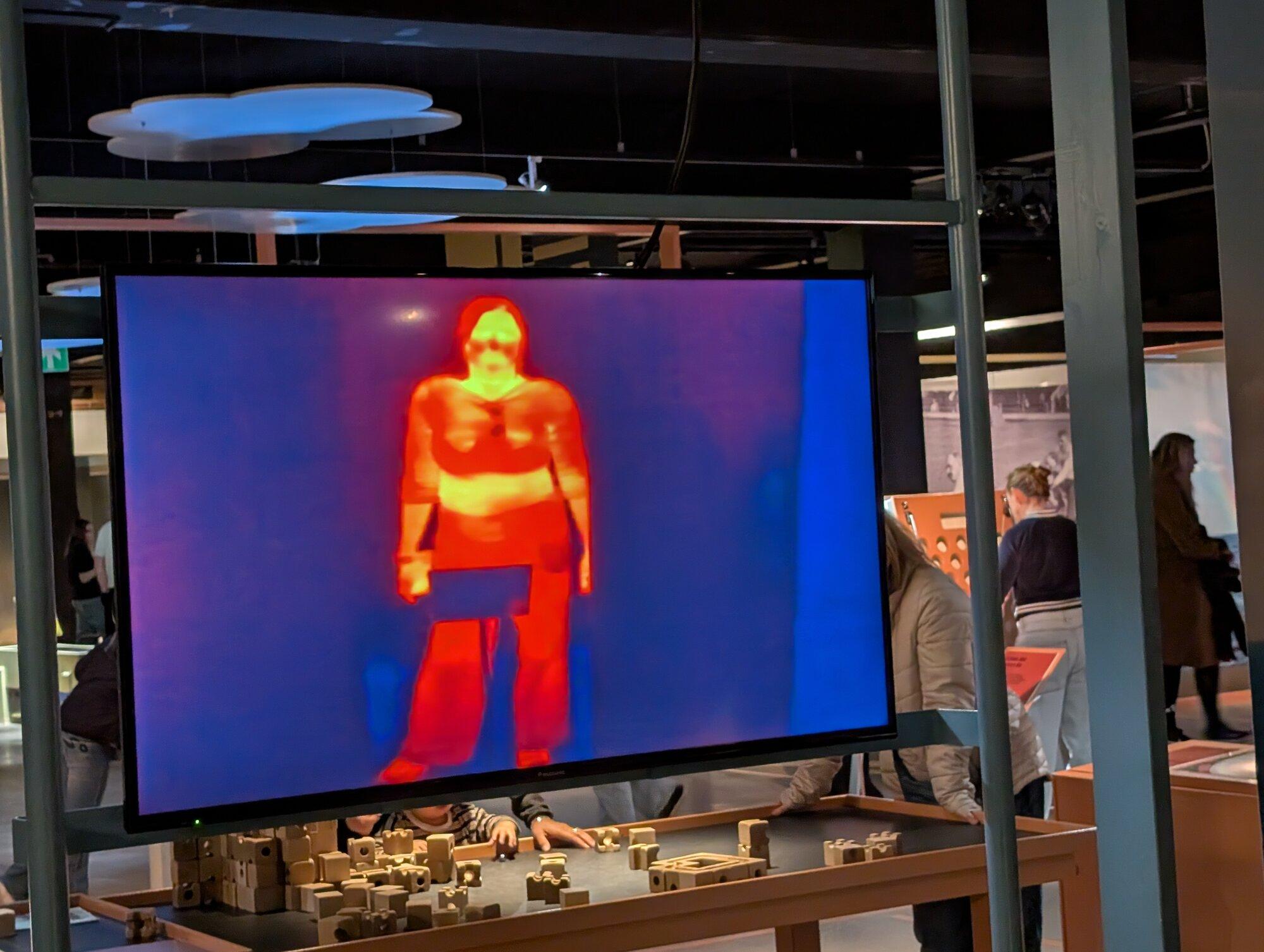
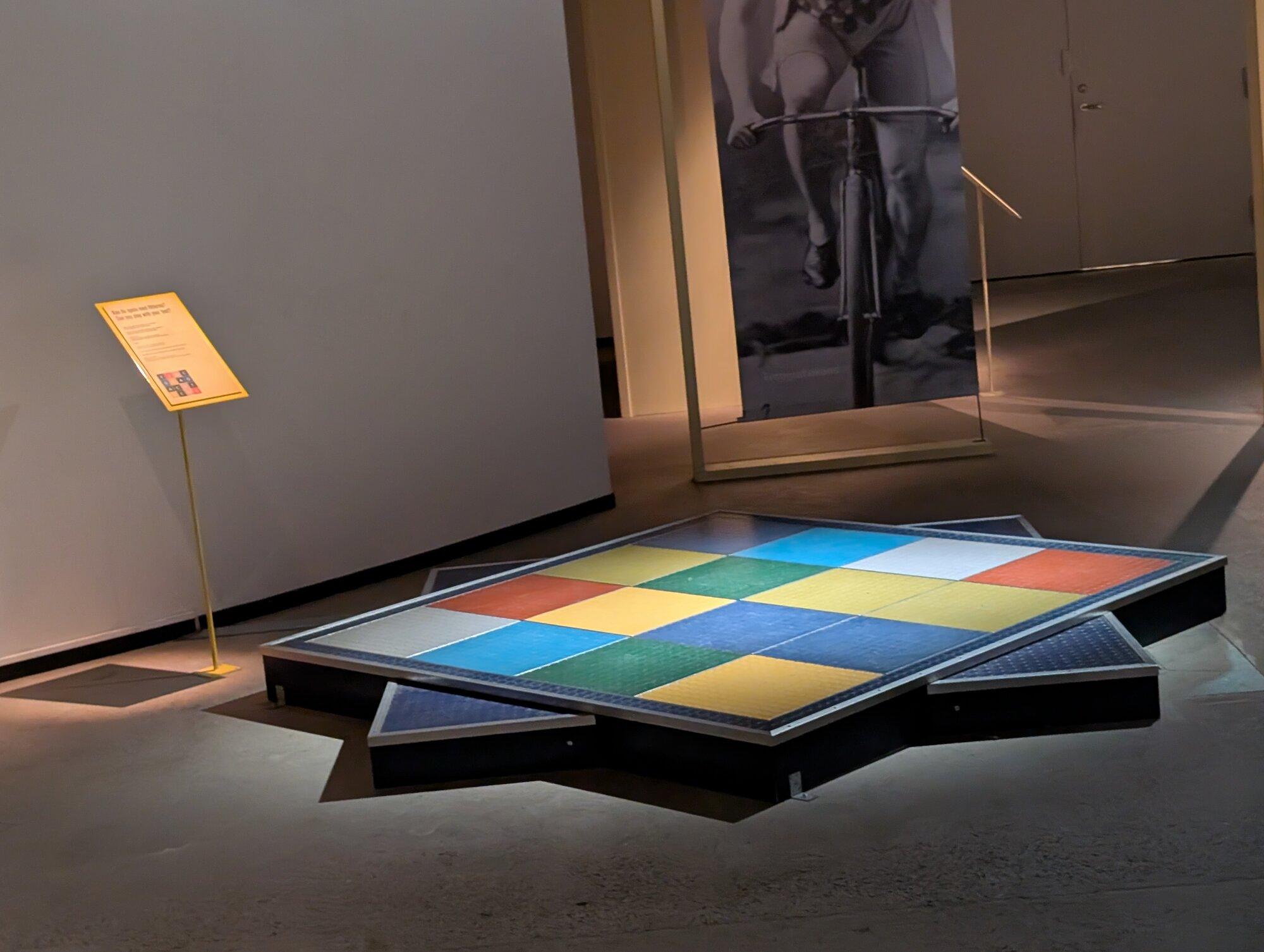
There's also a hands-on area full of interactive tech: thermal cameras, floor panels that play music when you jump on them, and that sort of thing. It's probably aimed at kids, but I had a great time.
Final Thoughts
Huge credit to the Øredev team for putting on a fantastic event. The organisation was superb from start to finish, and the speaker experience was one of the most memorable I've had.
Øredev has been going for 20 years now, and it's going to be exciting to see what the next 20 bring. If you get the chance to go, I'd recommend it very highly. I came home with a lot of new contacts, a lot of new ideas, and a lot of great memories.