
Exporting Google Slides to PDF on Mac without losing Emojis or Custom Images
When working on presentations for various conferences, I often use Google Slides. Yes, yes, I know - it's very basic, and like hand-editing html in Notepad at this point. But when bouncing between mac laptops and linux desktops, it's handy to have the deck centralised somewhere I can keep chipping away it when I've some free time.
With the decks I'm putting together, I'm a sucker for simple, bright, colourful images to help tell a story. Emojis, basically.
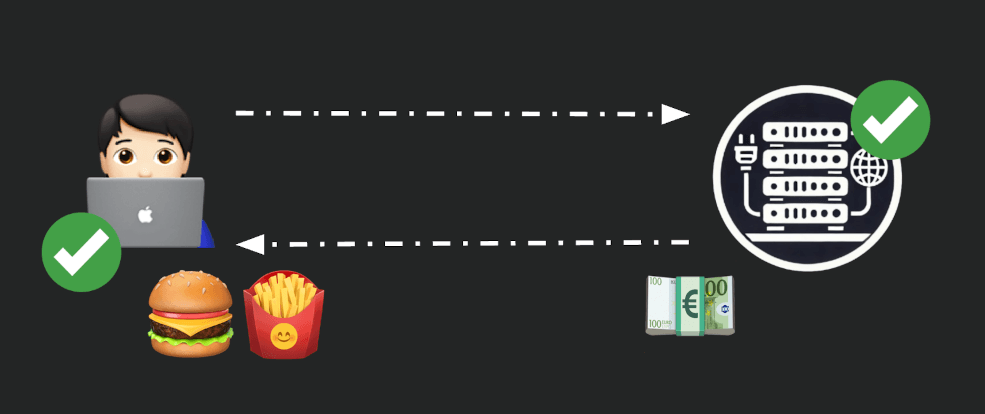
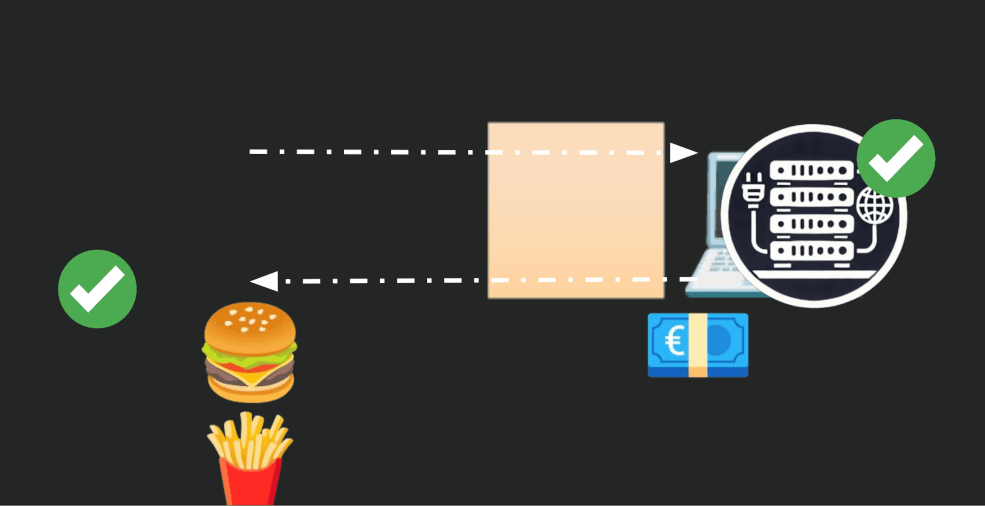
My problem comes when the conference organisers ask for the deck to be shared as a PDF for simpler distribution after the event. Google slides has an "export to PDF" function, but it does not play at all well with emojis inserted from a Mac, particularly if any of the "skin tone" options are used. This seems to be something to do with the Apple Color Emoji setup, and them not being well-loved outside the Apple ecosystem (flashback to getting little square blocks on my Android when iOS-using friends tried to send the original Apple emojis...). For example, in the below image of "man on laptop", the laptop is still there (half-hidden), beside a large colour block. The money and food icons are also a little different. It's long been known that emojis can look different on different devices, but this output is beyond a slightly different icon, and is unusable.
The Solution - More Software!
If you've access to a Mac, then Keynote can save the day. In Google Slides, File -> Download -> pptx, then in Keynote, import the pptx.
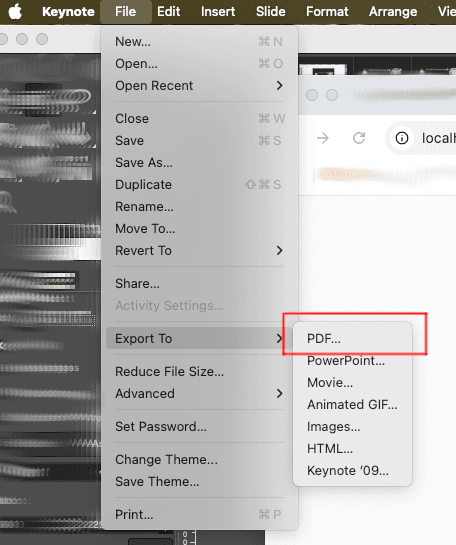
Once in Keynote, File -> Export -> PDF will create a PDF, and one which renders the emojis correctly!
Keynote magic shrinking text
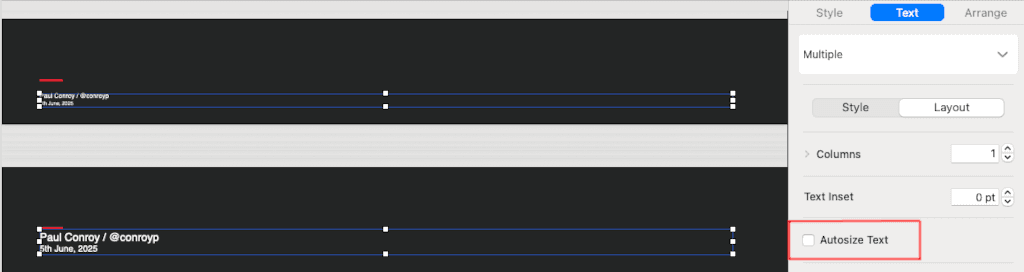
One thing you may notice importing a deck to Keynote is that there are seemingly-arbitrary changes in text size on different slides in the deck. Keynote has a fun feature where it will render a text box, then attempt to "autosize" text in the box. This can result in font sizes being shrunk or grown significantly, which can look a bit odd on first load.
The solution here is to select the text box you're working with, then in the side menu de-select Text -> Layout -> Autosize Text.
Maybe next time it'll be easier to just use Keynote from the start!